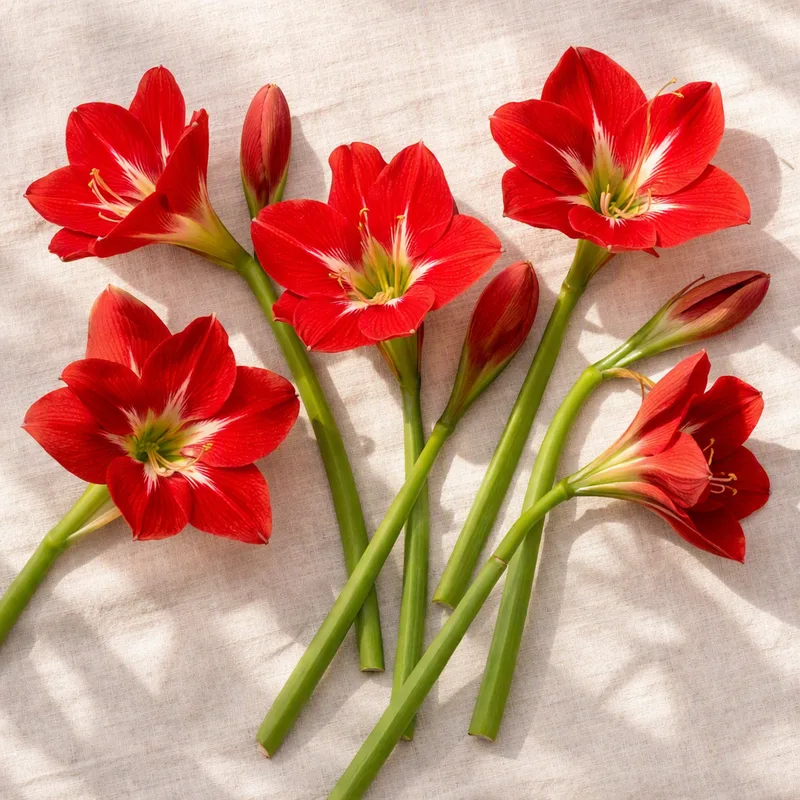
Amaryllis Classic
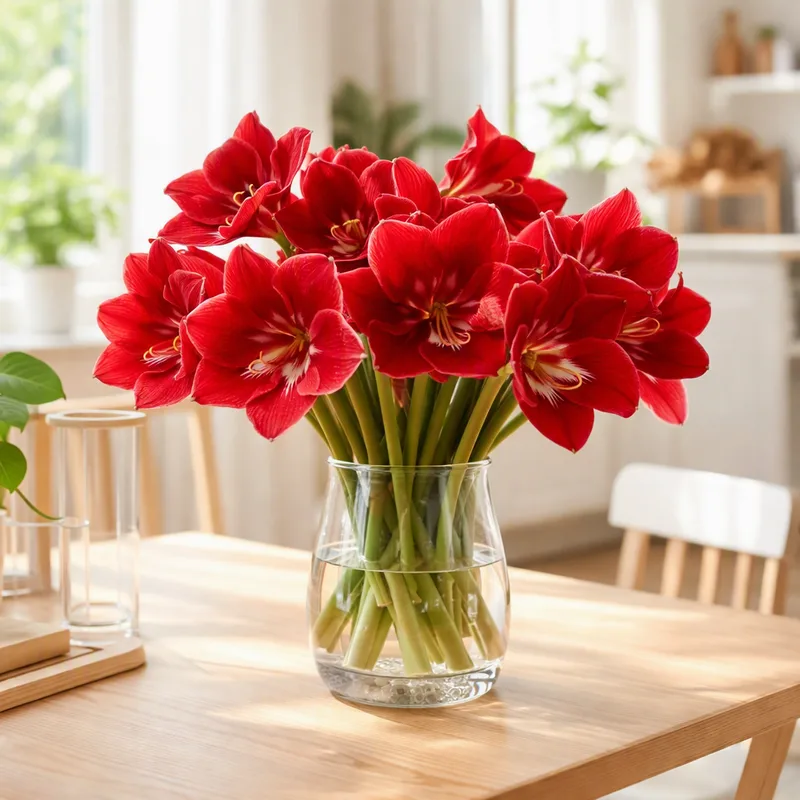
Amaryllis Classic, botanically known as Hippeastrum, is one of our most impressive flowering bulbs, captivating with its magnificent blooms and elegant presence. This stunning plant has become a symbol of luxury and beauty in the home, particularly during the winter months when its spectacular flowering illuminates the darker days.
A Flower That Impresses
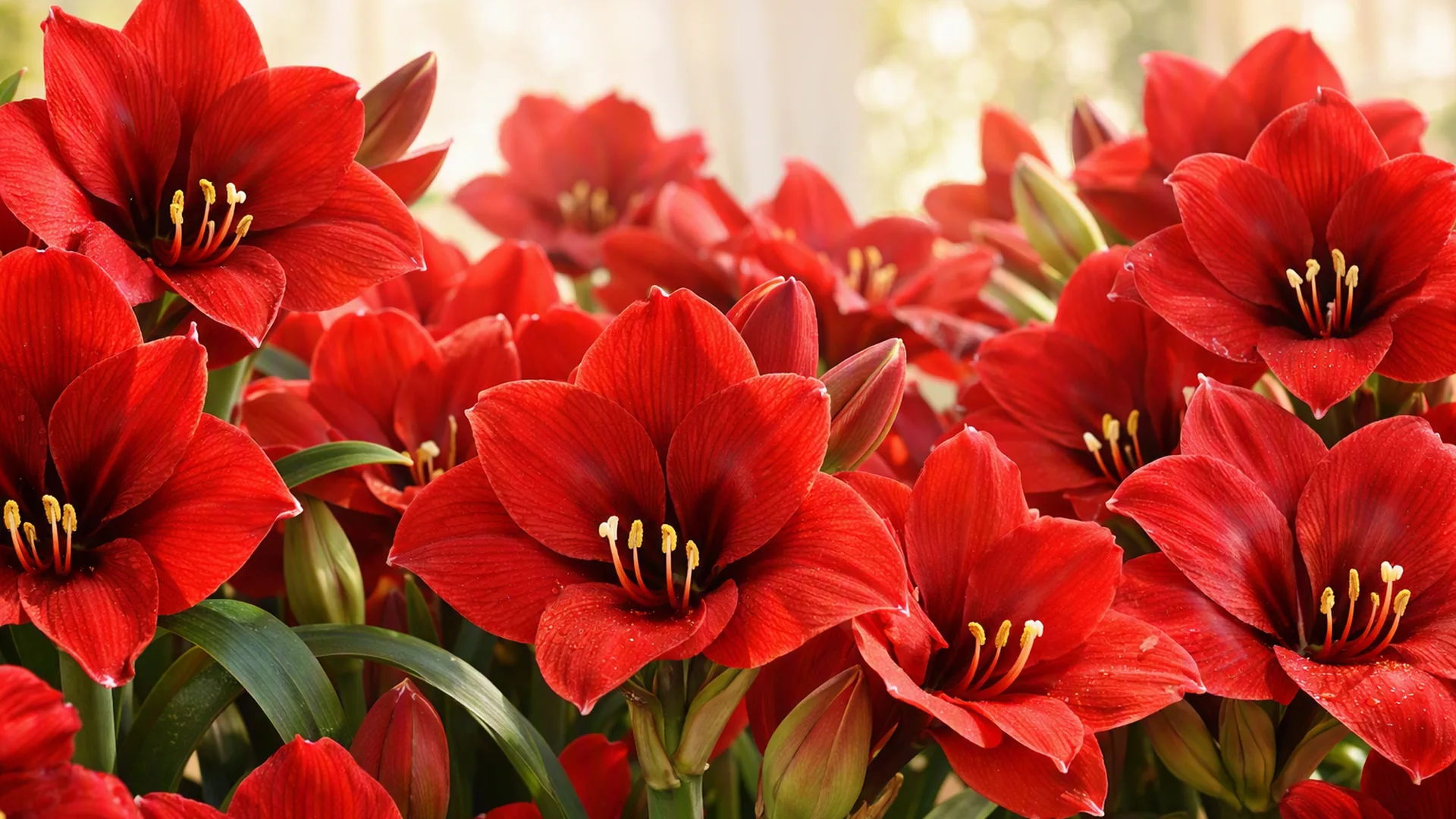
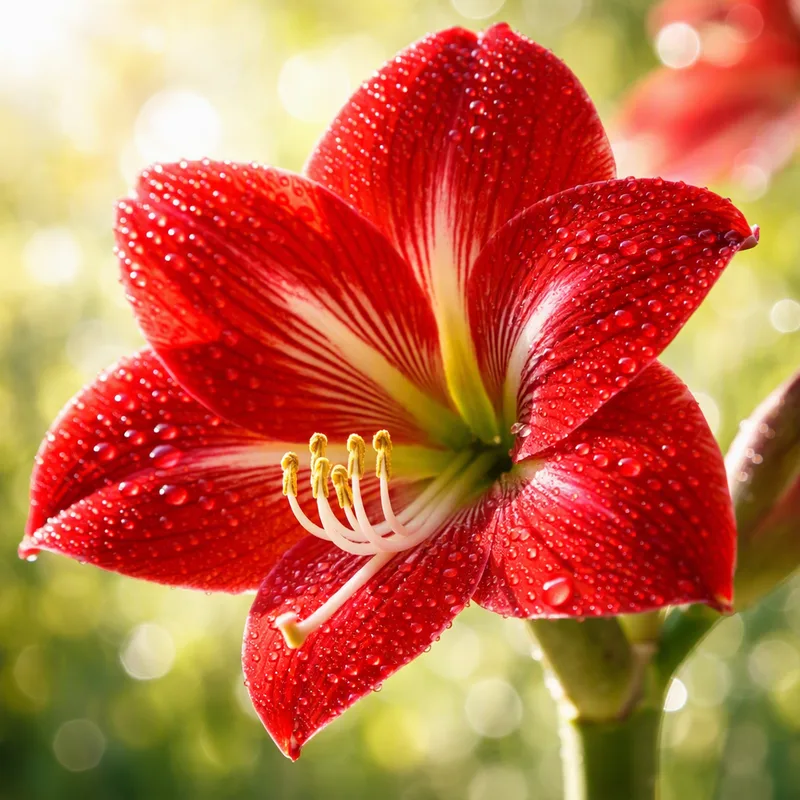
The classic amaryllis stands out through its enormous, trumpet-shaped flowers which can reach a diameter of up to 20 centimetres. The blooms sit majestically on sturdy, hollow stems that can grow 40-60 centimetres tall. Each bulb typically produces 1-2 flower stems, and each stem bears 2-6 spectacular flowers that open successively, providing prolonged flowering.
Colour and Variety
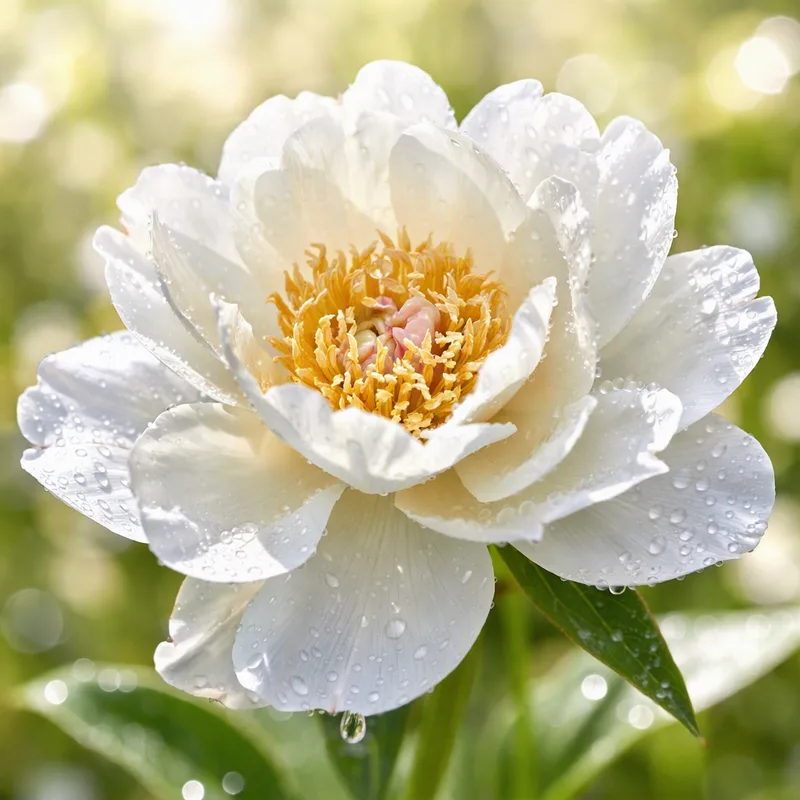
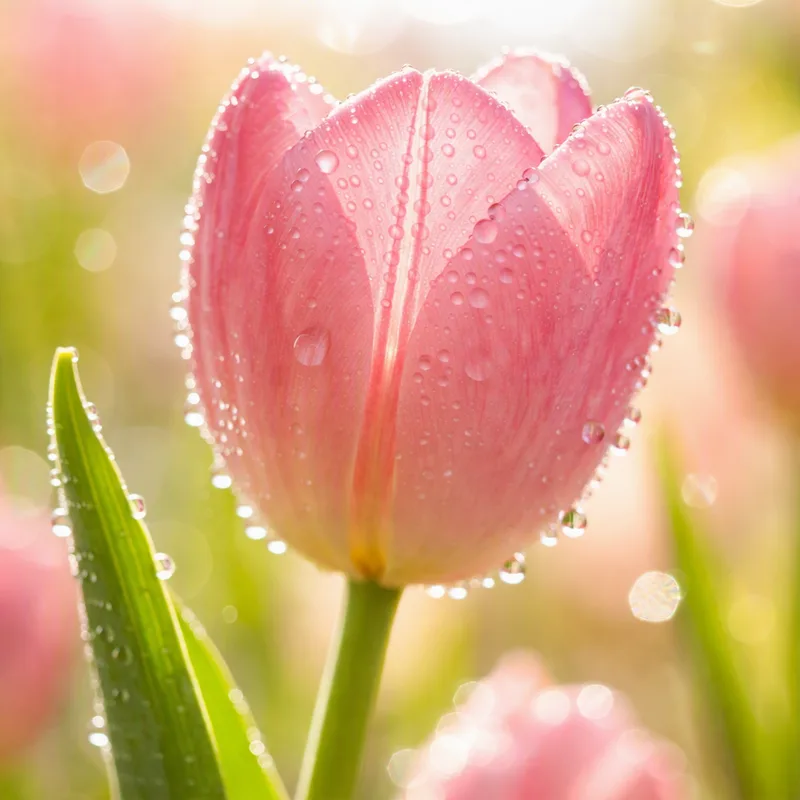
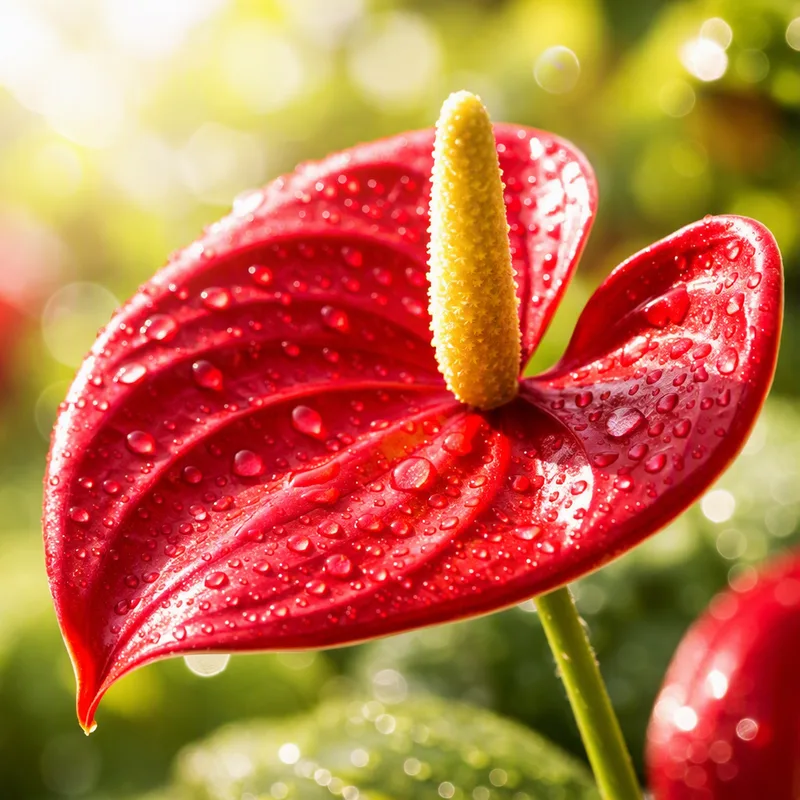
The classic amaryllis offers a rich palette of colours and patterns. From deep reds and pinks to pure whites and multicoloured varieties with stripes and edges. The velvety surface of the petals reflects light in a way that gives the flowers an almost luminous quality. Many varieties feature contrasting centres or veining that enhances the dramatic effect.
Planting and Establishment
Plant the bulb with approximately one-third of the bulb body above soil level in a pot that is only slightly larger than the bulb itself. This encourages flowering as amaryllis blooms best when somewhat confined. Choose a heavy pot for stability, as the tall flower stems can make the plant top-heavy.
Care During Flowering
During the flowering period, amaryllis requires a bright position but not direct sunlight, which can fade the beautiful colours. Keep the soil lightly moist but never waterlogged. Rotate the pot regularly so the flower stem grows upright. When the flowers begin to fade, remove them but leave the stem until it yellows naturally.
The Importance of a Rest Period
After flowering, the long, strap-shaped leaves develop to gather energy for next year's blooms. During summer, the plant can be placed outdoors in partial shade. In autumn, gradually reduce watering until the leaves yellow and die back. The bulb then requires a rest period of 8-12 weeks in a cool, dark space.
Reflowering and Long-Term Care
With proper care, the same bulb can flower year after year and often produce increasingly abundant blooms. Feed during the growing season and respect the requirements of the rest period. A well-cared-for amaryllis bulb can flower for decades and even produce offsets that can be divided to create new plants.
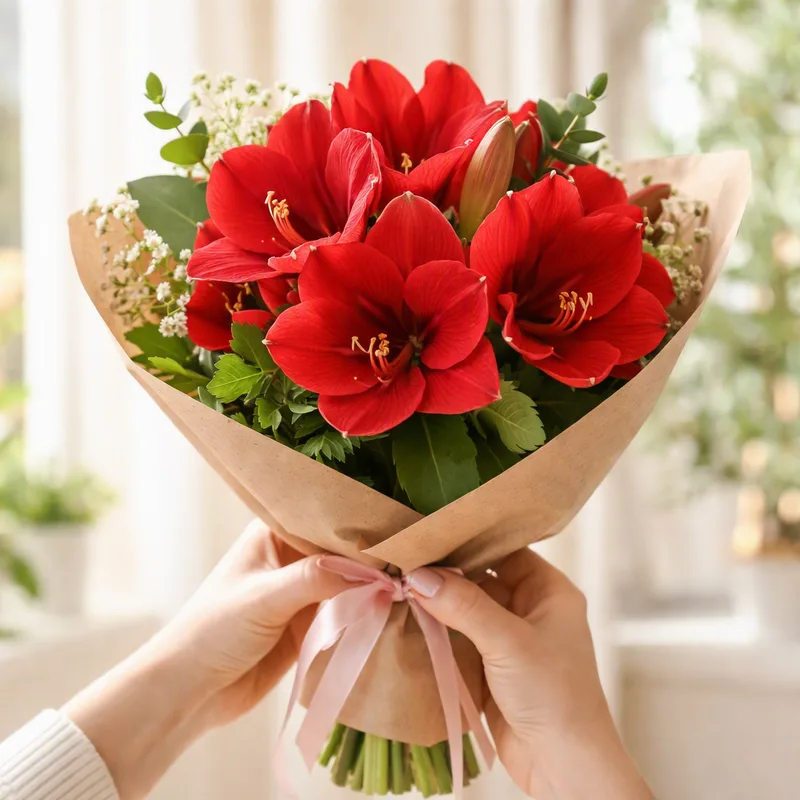
Amaryllis Classic is more than just a flower – it is an experience that transforms your home into an oasis of beauty and elegance.