

Classic Hydrangea: A Gardener's Guide
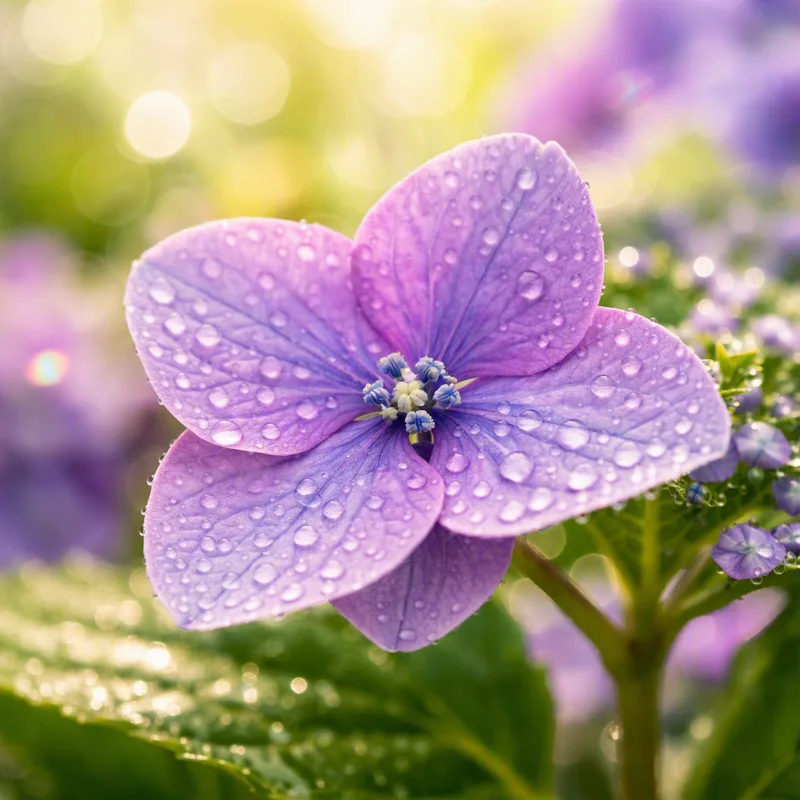
The classic hydrangea, known scientifically as Hydrangea macrophylla, is one of our most beloved garden plants. This magnificent shrub has enchanted gardening enthusiasts for generations with its spectacular flower clusters and remarkable ability to change colour depending on soil conditions.
The Magic and Colour Display of Blooms
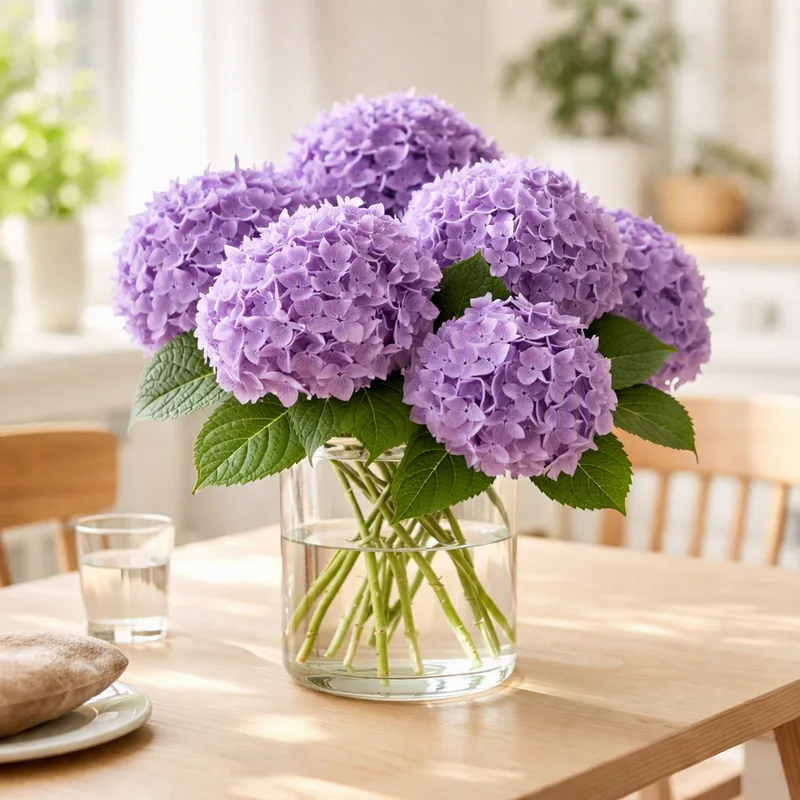
What makes the classic hydrangea so fascinating is its unique ability to adapt its flower colour according to soil pH levels. In acidic soil, beautiful blue shades develop, whilst alkaline soil produces pink to red tones. White varieties typically retain their colour regardless of soil conditions. Flowering occurs from midsummer through to early autumn, providing months of vibrant colour.
Planting and Placement
The classic hydrangea thrives best in a sheltered location with morning sun and afternoon shade. Excessive sunlight can scorch the leaves and negatively affect flowering. Choose a spot protected from strong winds, particularly during winter. The plant prefers well-draining yet moisture-retentive soil rich in organic matter.
Watering and Feeding
As the name Hydrangea suggests, this plant requires considerable water. Regular watering is essential, especially during dry periods. The soil should be kept consistently moist but not waterlogged. Mulching around the plant helps retain moisture and keep roots cool. Feeding with compost or specialist hydrangea fertiliser produces the best results.
Pruning for Optimal Growth
The classic hydrangea flowers on the previous year's wood, which means pruning must be done carefully. The best time to prune is immediately after flowering or in early autumn. Remove old flower stems and weak branches, but avoid hard pruning as this can affect next year's blooms.
Winter Protection and Care
In our climate, the classic hydrangea requires winter protection. Mulch around the base with leaves, bark or other insulation. In colder areas, it may be necessary to wrap the entire shrub with horticultural fleece. Avoid pruning in autumn as the branches provide extra protection for the plant.
Varieties and Selection
There are many wonderful varieties of classic hydrangea to choose from. Some varieties are hardier than others, and certain cultivars have been developed to flower on both old and new wood, making them more reliable in our changeable climate. Select varieties suited to your local climate for best results.
Troubleshooting and Maintenance
Wilting leaves may indicate insufficient water or excessive sunlight. Yellowing foliage can signal nutrient deficiencies or poor drainage. With proper care and placement, the classic hydrangea will be a reliable and beautiful addition to your garden for many years to come.