Sunflower Classic (Helianthus annuus) is one of the most beloved and iconic flowers in the garden. This annual plant can grow up to 3 metres tall and produces large, yellow flowers that follow the sun's movement across the sky. Sunflowers are easy to grow and thrive best in sunny spots with well-drained soil. They flower from midsummer to early autumn and attract bees and butterflies. Seeds can be sown directly into the ground in spring after the risk of frost has passed. Sunflowers are also valuable for their nutritious seeds, which can be harvested in autumn.

Classic Sunflower - Helianthus annuus
Sunflower in classic variety. Perfect in a bouquet, as a gift or when you want to impress without any fuss.
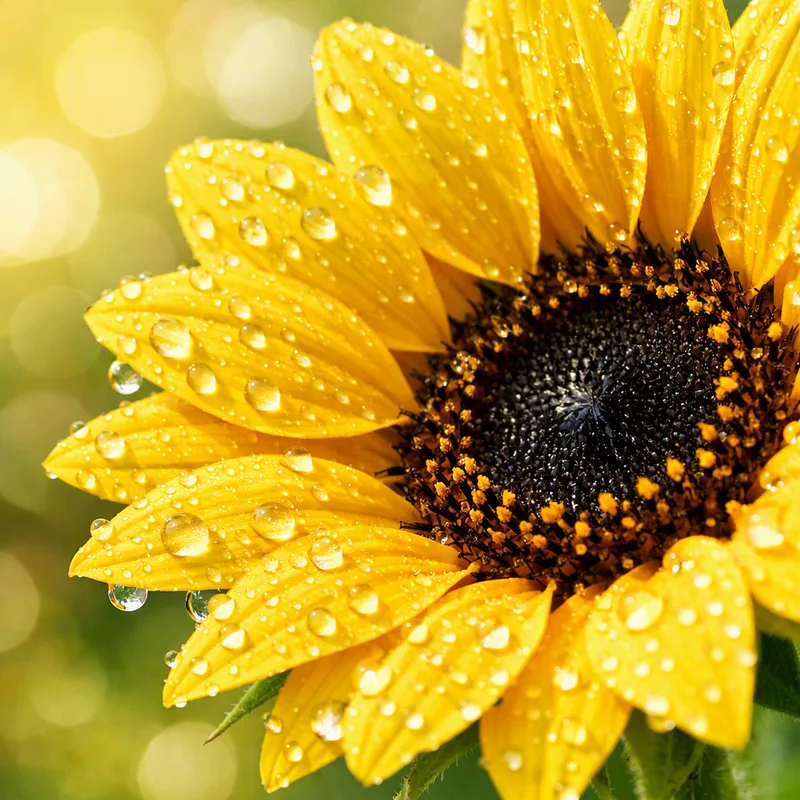


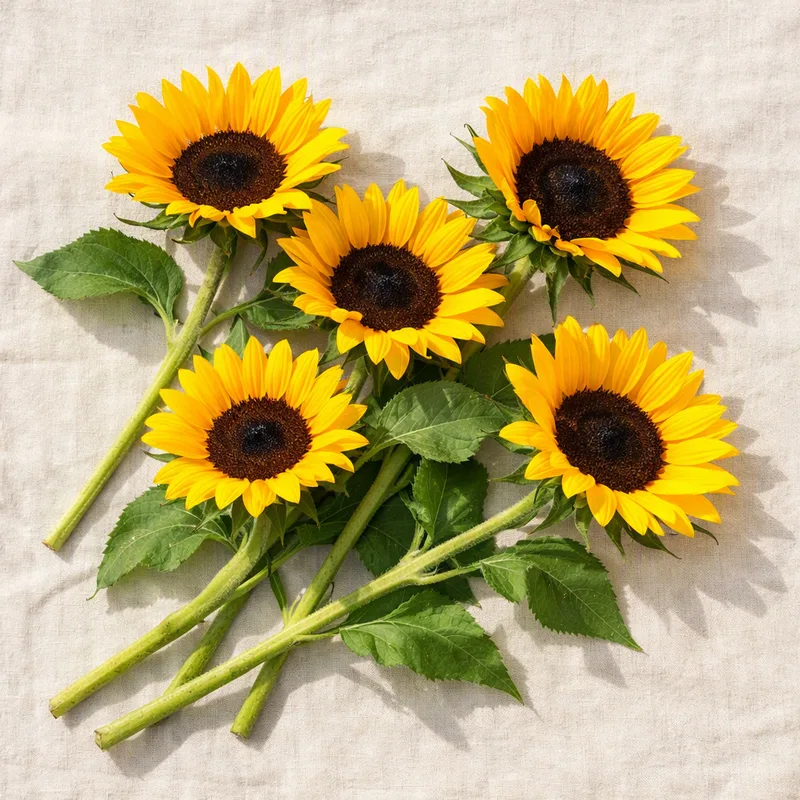
Quick facts – Sunflower – Classic
- Colour
- yellow
- Latin name
- Helianthus annuus
- Type
- cut flower
- Flowering
- july-september
- Light
- full sun
- Water
- high
- Height
- 150-300 cm
- Vase life
- 7-12 days
- Scent
- none
- Toxic to pets
- no
FAQ about Sunflower – Classic
When should sunflower seeds be sown?
Sow sunflowers outdoors in late spring, once the soil has warmed and there is no longer any risk of frost. You can also start them off indoors in pots two to three weeks earlier and plant them out later.
How tall do sunflowers grow?
Classic sunflowers can reach two to three metres depending on the variety and growing conditions. Tall varieties need a sheltered position and often a stake to keep them upright in the wind.
What kind of soil suits sunflowers best?
Sunflowers grow best in a sunny spot in well-drained, fertile soil with a pH of 6.0-7.5. They tolerate most soil types but prefer humus-rich soil.
How often should sunflowers be watered?
Water regularly, especially during dry spells. Sunflowers need plenty of water while they are growing fast and when they flower, so water deeply around the base rather than lightly over the leaves.
Can I harvest the seeds from my sunflowers?
Yes. Let the flower heads ripen on the plant until the back of the head turns brown and the seeds are plump. Cut off the head, leave it to dry somewhere airy and rub out the seeds. Cover the heads with a paper bag or netting if the birds are getting to them first.