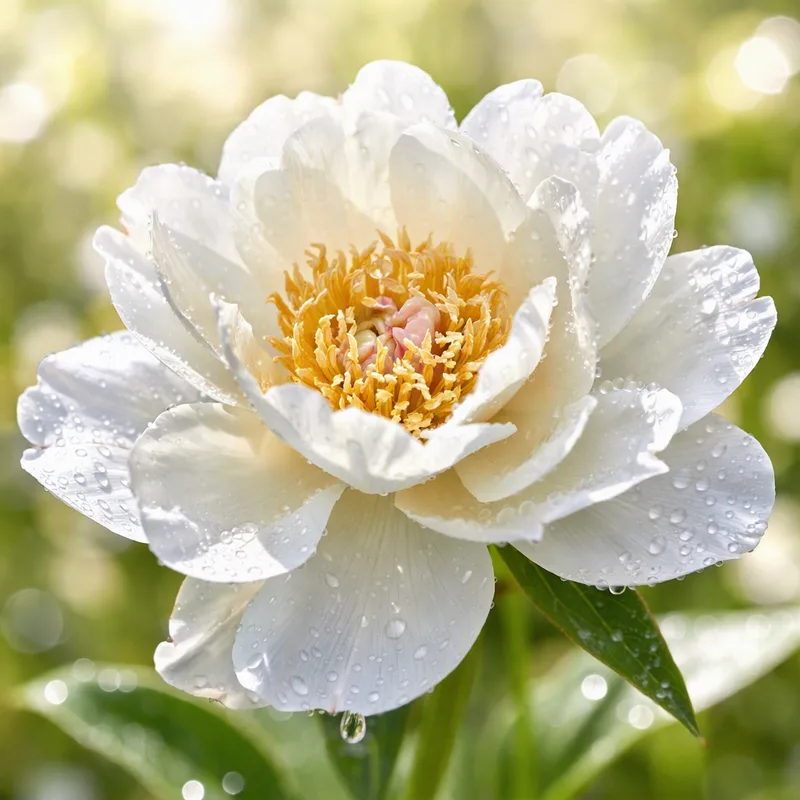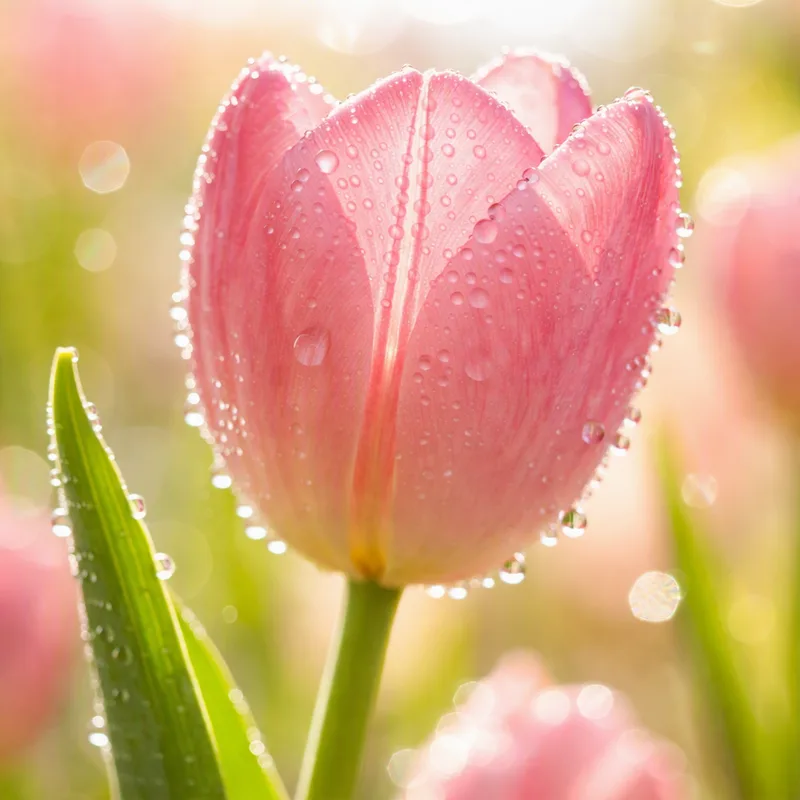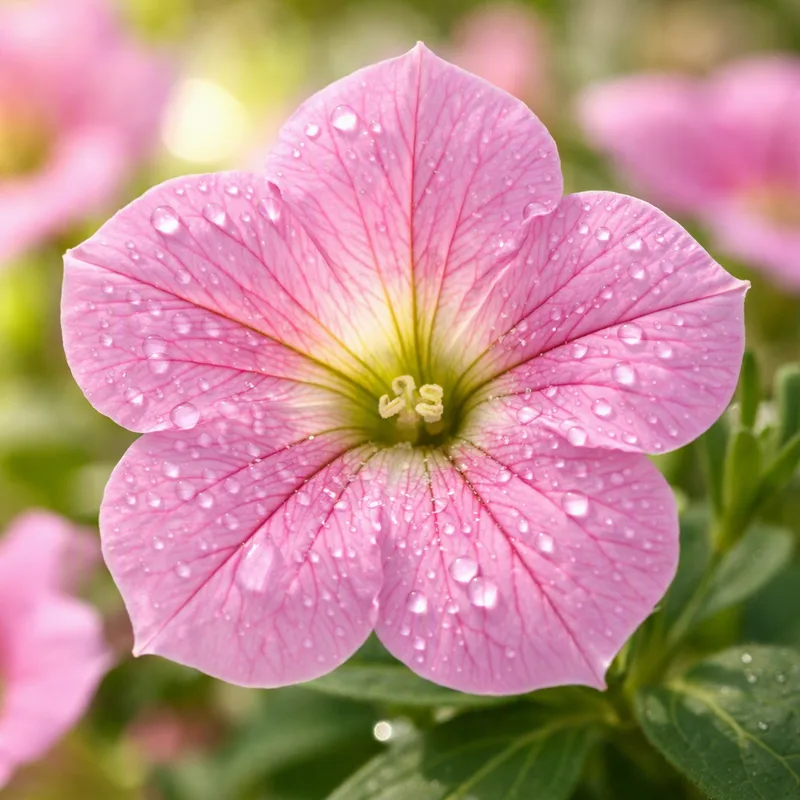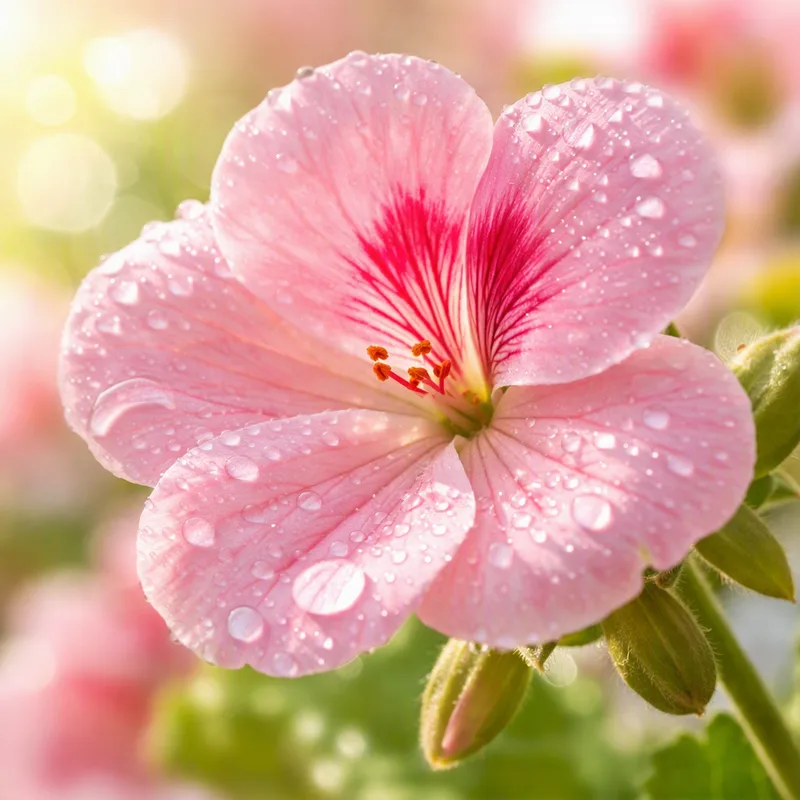
Astilbe Classic is a fantastic perennial that thrives excellently in shady and partially shaded locations. This elegant plant produces spectacular flower plumes in the form of dense, feathery panicles that stretch across the beautiful, compound foliage. Astilbe typically flowers in early summer and creates a dramatic effect in the garden with its rich colours and texture. The plant prefers moist, well-draining soil and is perfect for planting under trees, along streams or in shaded borders. Astilbe is also excellent as a cut flower and attracts pollinators such as bees and butterflies. This robust perennial is hardy and returns year after year, making it an excellent choice for long-term garden planning.
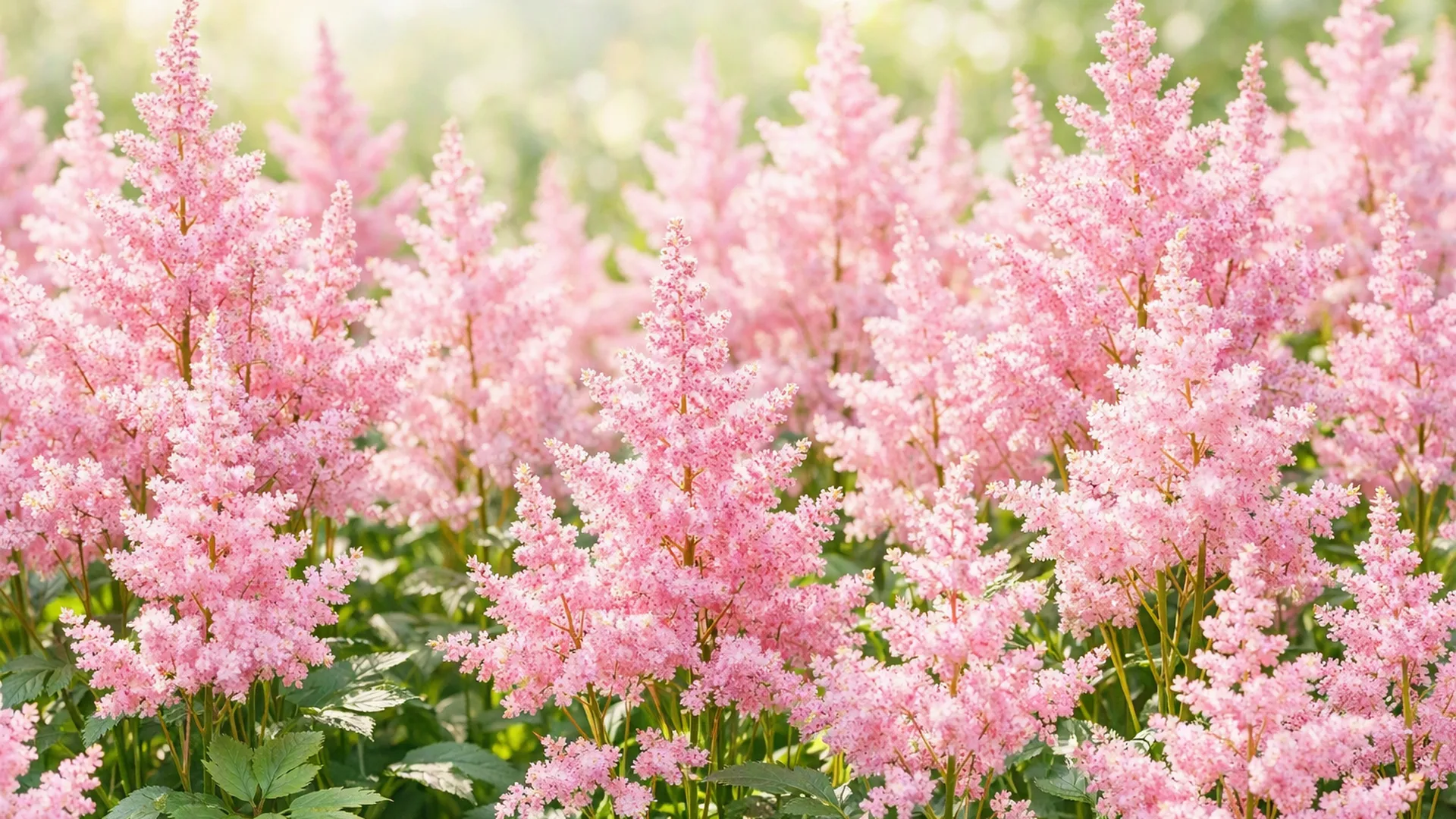
Astilbe Classic - Elegant Ornamental Plant for Shade
Astilbe in a classic variety. Beautiful in a bouquet, as a gift or when you want to impress without any fuss.
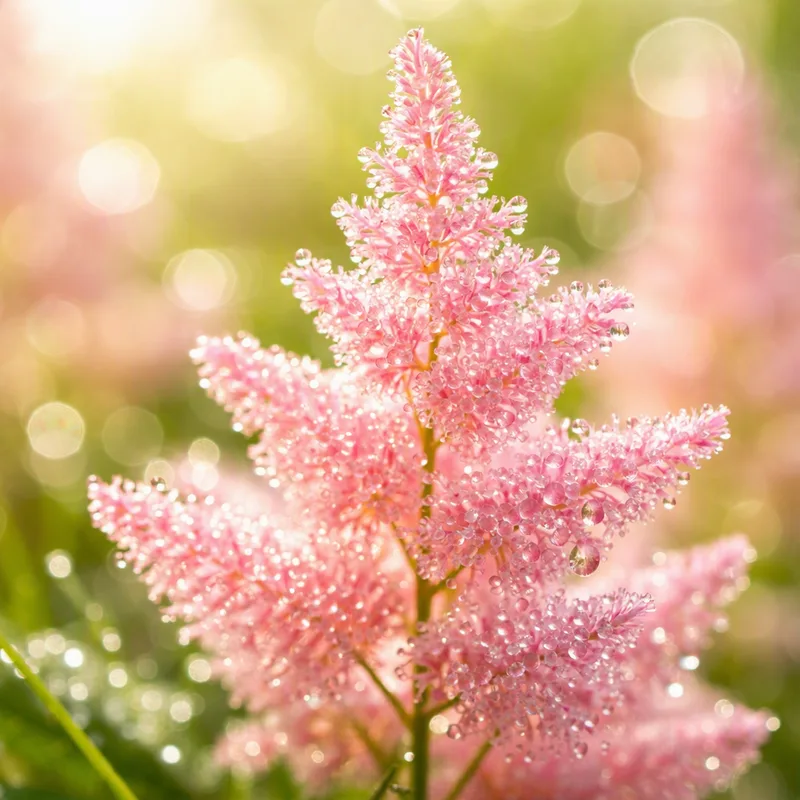
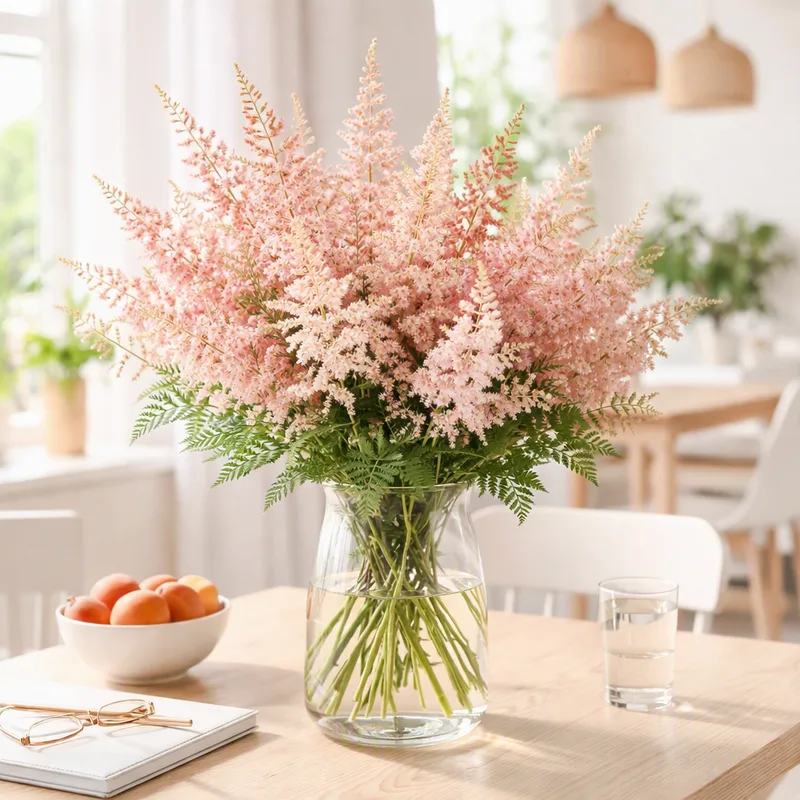

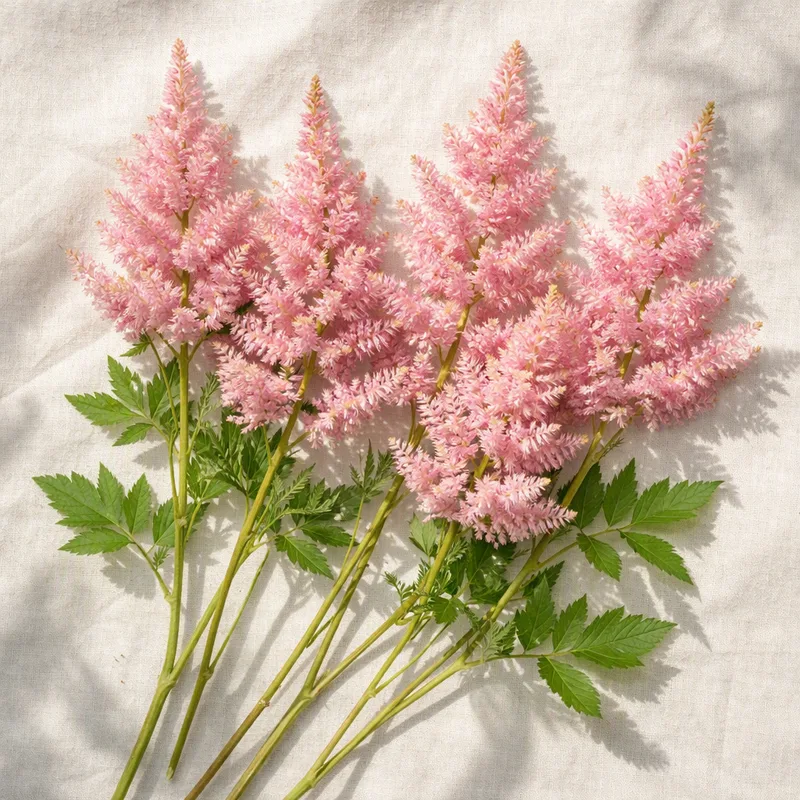
Quick facts – Astilbe – Classic
- Colour
- pink
- Latin name
- Astilbe
- Type
- garden perennial
- Flowering
- june-august
- Light
- partial shade
- Water
- high
- Height
- 40-100 cm
- Vase life
- 5-8 days
- Scent
- mild
- Toxic to pets
- no
FAQ about Astilbe – Classic
Where does astilbe thrive best?
Astilbe thrives in partial to full shade in moist, humus-rich soil. It is perfect for planting under trees, in shady borders and beside ponds. In full sun the leaves scorch unless the soil stays moist.
When does astilbe flower?
Astilbe flowers in summer, with feathery plumes that last for several weeks. Different varieties flower at slightly different times, so you can extend the season by combining them.
How big does astilbe grow?
Astilbe usually grows 40-80 cm tall depending on the variety, with a spread of about 30-50 cm. The plumes rise a little above the foliage.
Is astilbe hardy?
Yes, astilbe is very hardy and comes through winter well. It dies back in winter but returns every spring as a reliable perennial. The dried plumes can be left for winter interest.
How should astilbe be cared for?
Astilbe needs little care, but it must never dry out, as drought is the most common cause of brown leaves. Mulch to keep the soil moist, feed in spring and divide the plant every three to four years for the best growth.