

Classic Carnations (Dianthus)
The classic carnation (Dianthus) is one of our most beloved garden flowers, prized for its distinctive spicy fragrance and beautiful, often fringed petals. This perennial has been a cherished fixture in gardens for generations and continues to charm both novice and experienced gardening enthusiasts.
Characteristic Features of Carnations
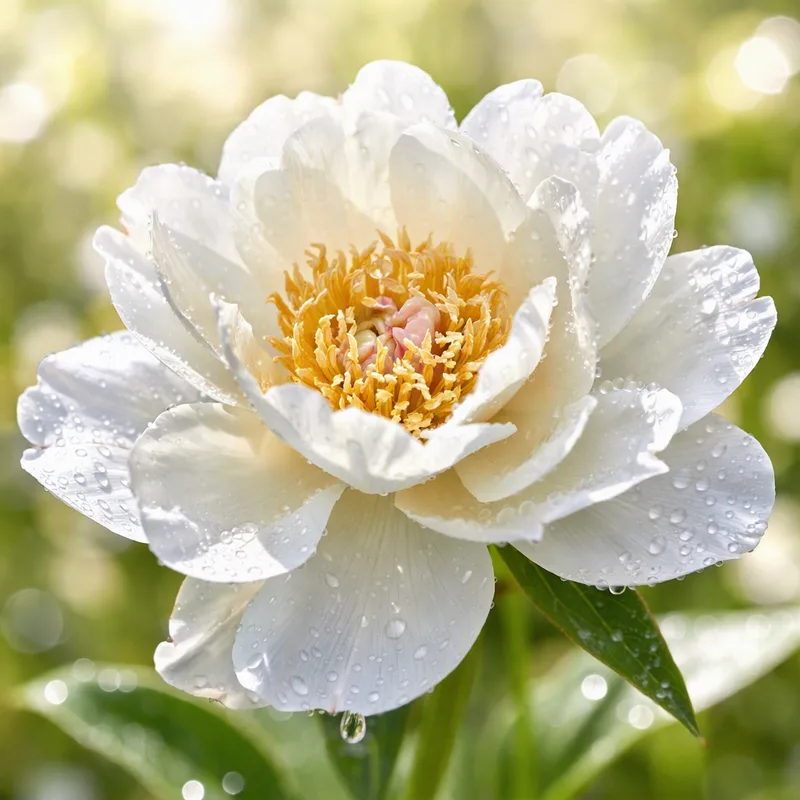
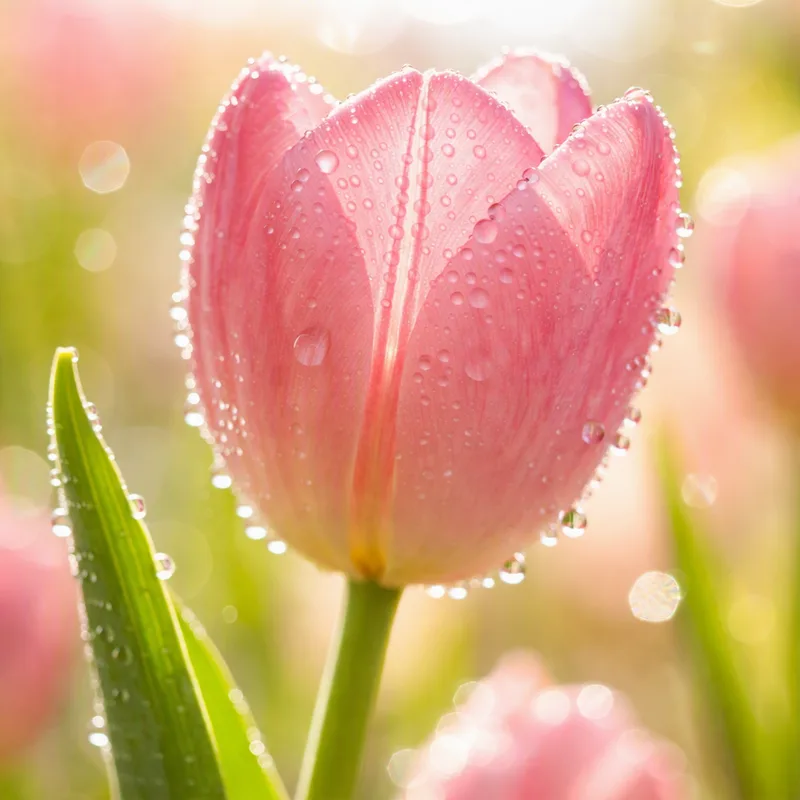
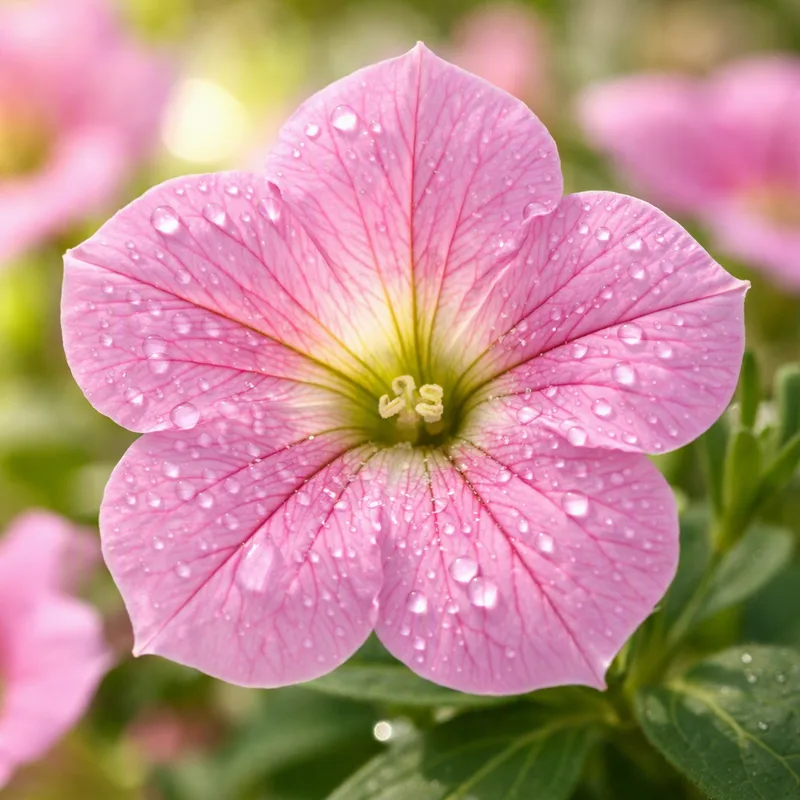
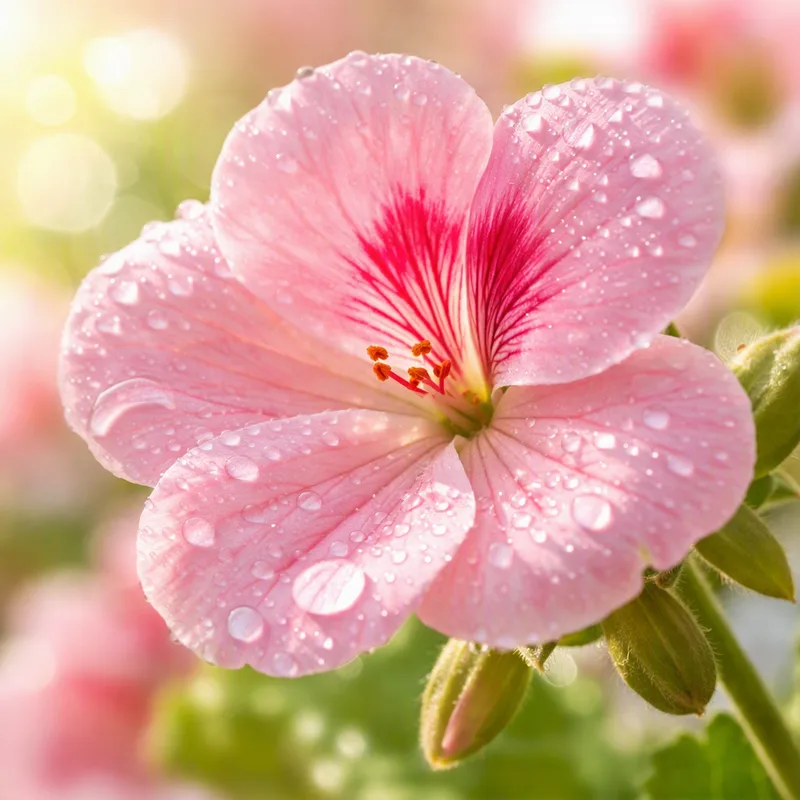
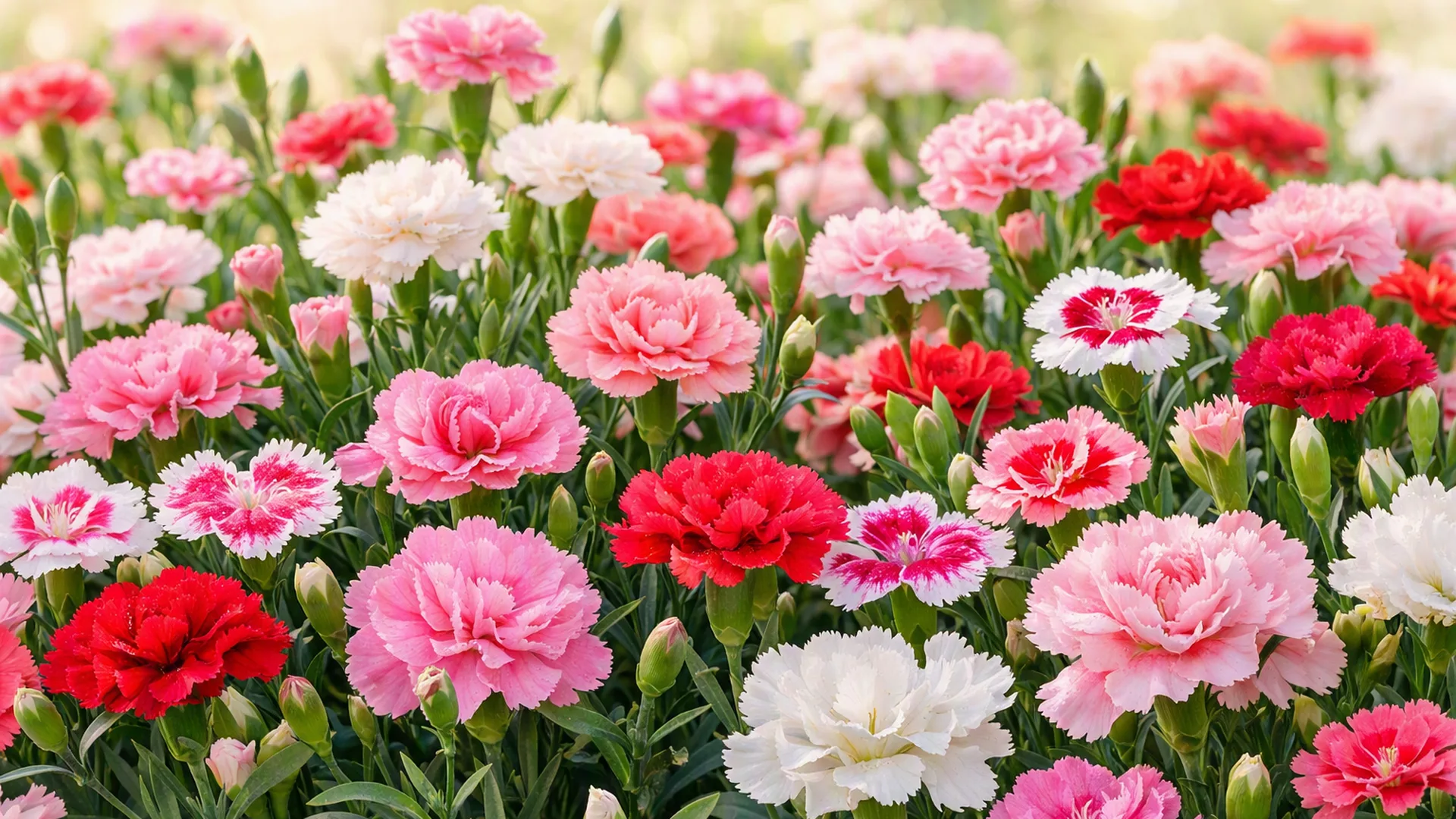
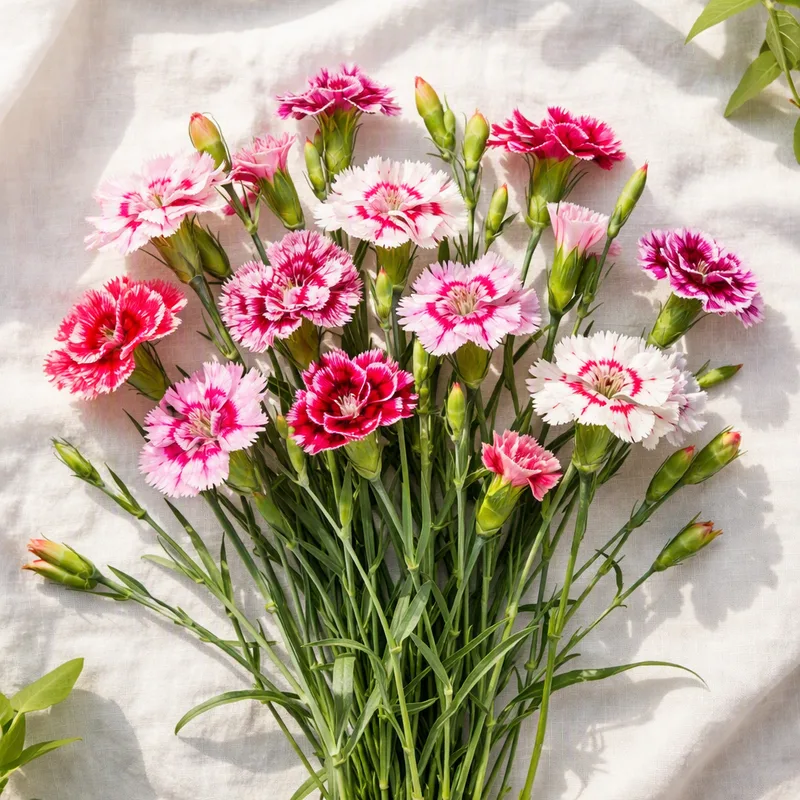
Classic carnations are distinguished by their narrow, blue-green foliage and compact growth habit. The flowers come in many shades ranging from pure white to deep red, pink and purple, often with contrasting edges or patterns. The intense fragrance, reminiscent of cloves, makes this plant particularly valued in scented gardens and as a cut flower.
Planting and Soil Requirements
Carnations thrive best in well-draining, alkaline soil with a pH between 6.5 and 7.5. Choose a sunny to partially shaded spot where the plant receives at least six hours of sunlight daily. When planting, it's important not to set the plants too deep – the top of the crown should be level with the soil surface. Space plants 20-30 centimetres apart to give them sufficient room to develop.
Seasonal Care
During the active growing season, carnations require moderate but regular watering. Avoid watering over the foliage to reduce the risk of fungal diseases. Regular deadheading of spent flowers promotes continuous blooming from early summer through to late autumn. A light application of general garden fertiliser in spring provides the plant with essential nutrients.
Overwintering and Perennial Care
Most classic carnations are hardy and cope well with winter conditions. In autumn, you can cut back the spent stems to approximately 10 centimetres above ground level. In colder areas, a light covering of conifer branches or leaves provides extra protection. Every third or fourth year, divide older plants to maintain vigour.
Common Problems and Solutions
Carnations can be affected by aphids and thrips, particularly during warm, dry periods. Fungal diseases such as rust and powdery mildew may also occur with poor air circulation. Preventative measures such as proper spacing and avoiding overwatering significantly reduce these problems.
Garden Uses
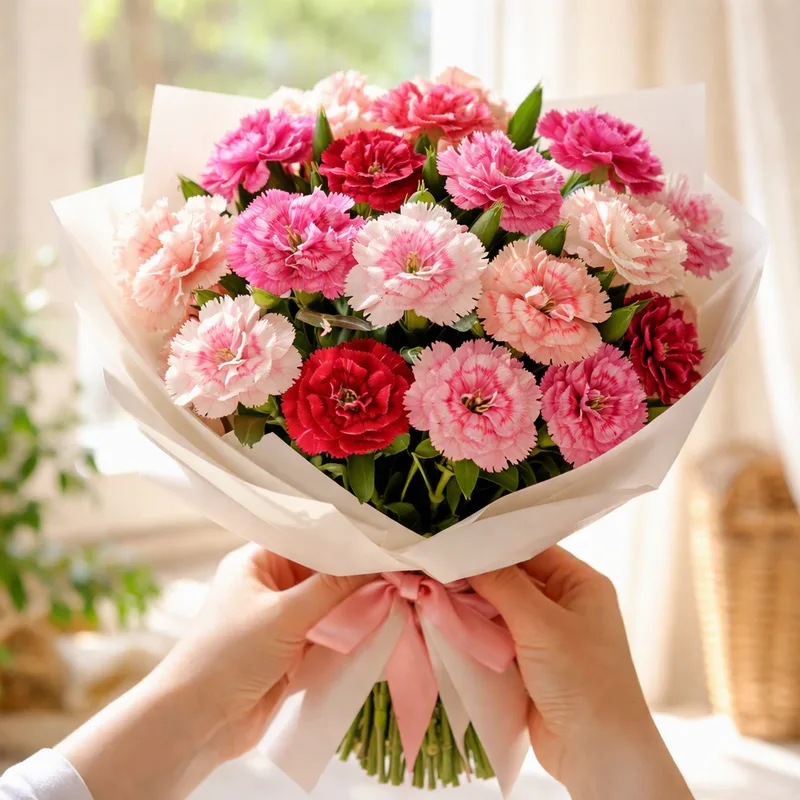
Classic carnations are excellent in flower beds, rock gardens and as edging plants. They're also popular in cottage garden schemes and as companions to roses. As cut flowers, they have excellent vase life and spread their wonderful fragrance indoors. Many varieties flower from June to October, making them invaluable for continuous colour in the garden.