

Hollyhocks: The Classic Garden Beauty
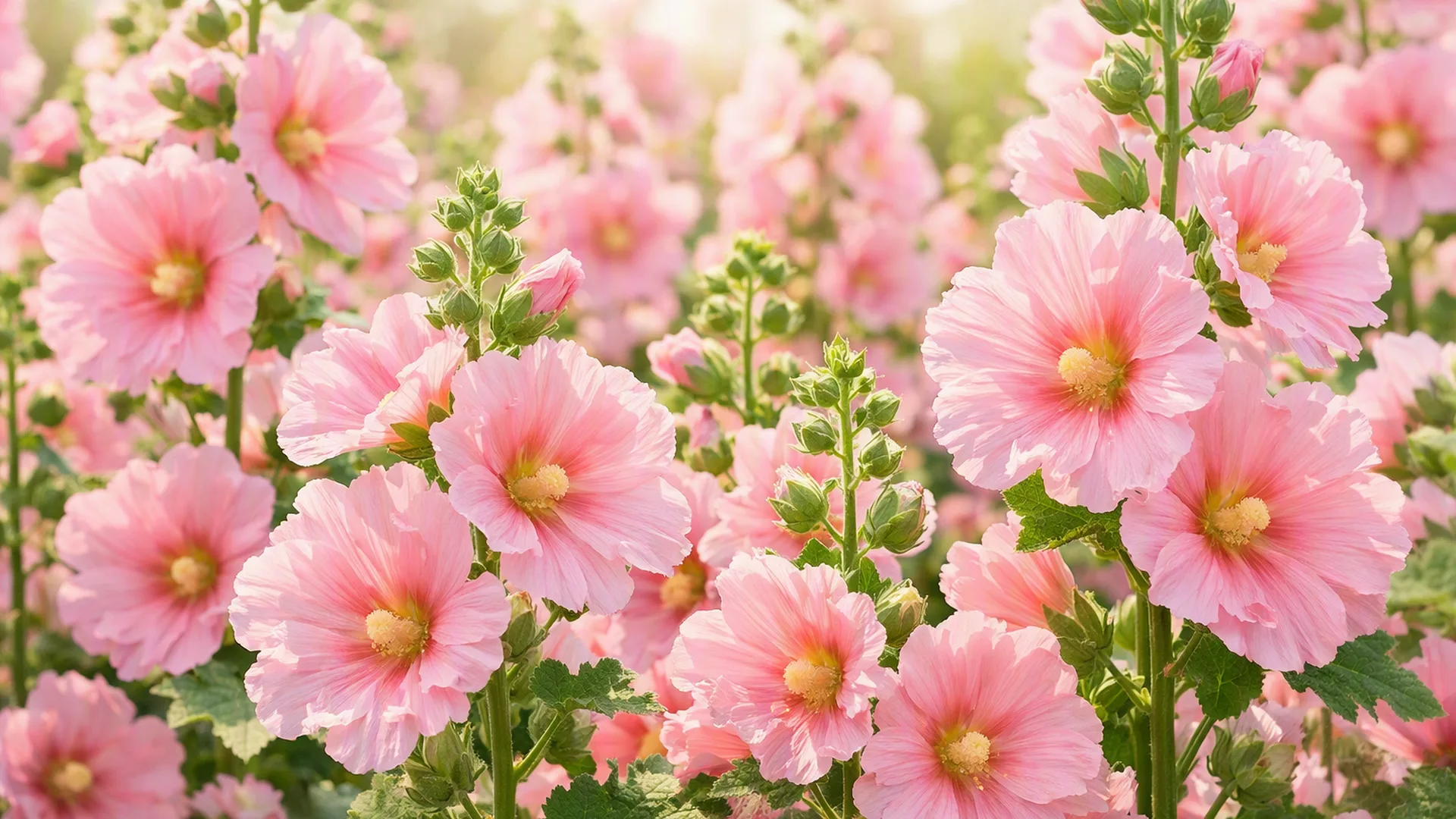
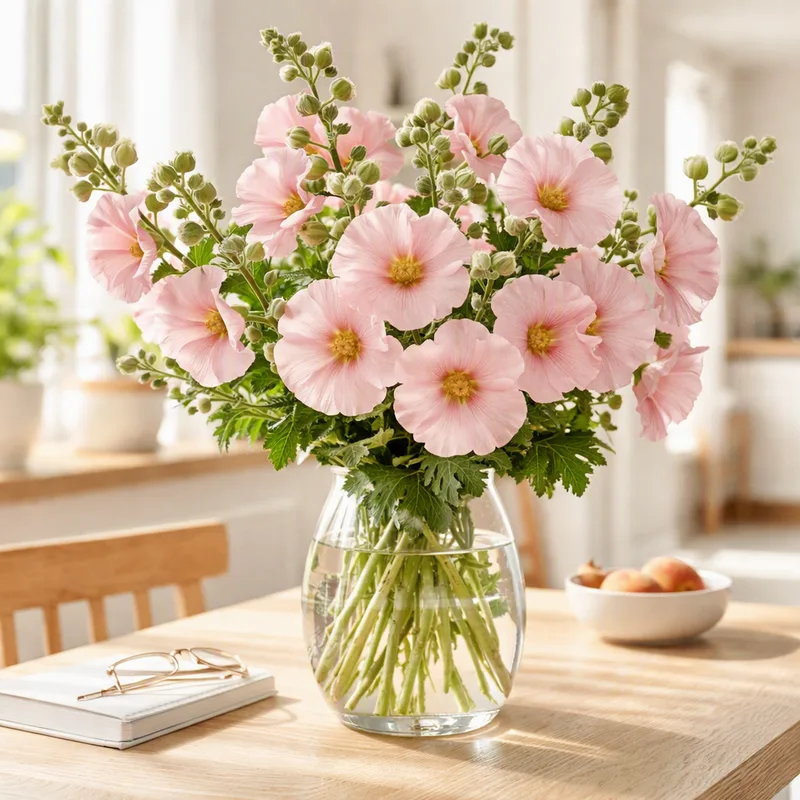
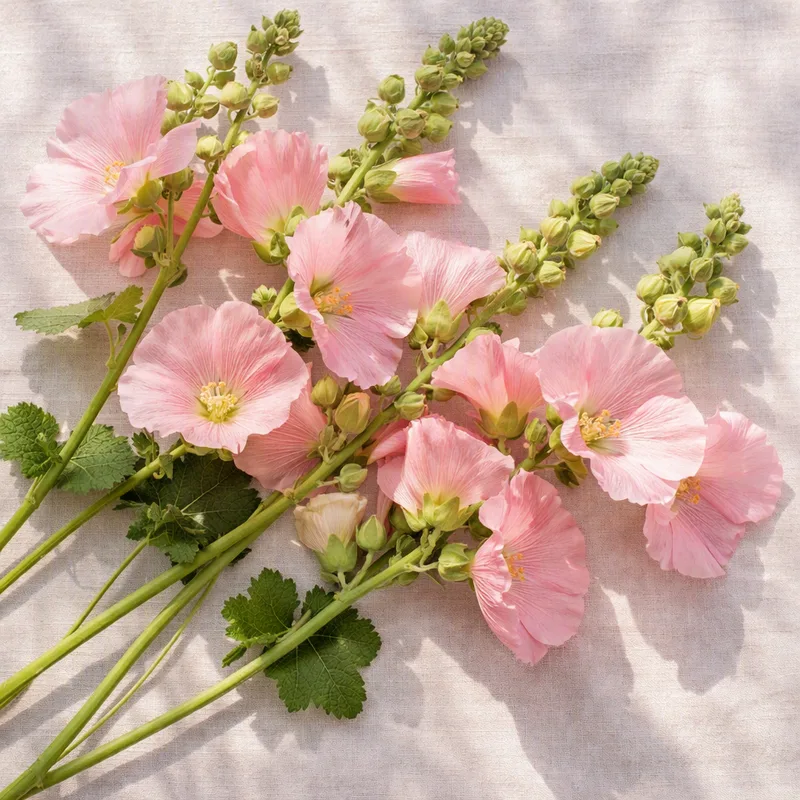
Hollyhock pink, known botanically as Alcea rosea, is one of the garden's most impressive and timeless flowers. This majestic plant can reach heights of up to two metres and creates a dramatic backdrop in flower beds and cottage garden-inspired gardens. With its large, silky petals in beautiful shades of pink, the hollyhock blooms from midsummer through to early autumn and attracts both bees and butterflies.
Origin and Character
The hollyhock originally hails from south-western Asia but has been cultivated in European gardens for over 600 years. As a biennial plant, it develops a rosette of leaves close to the ground during its first year, then shoots up its impressive flower spikes in the second year. The large, heart-shaped leaves are softly hairy and give the plant a rustic charm even when not in flower.
Cultivation and Position
Pink hollyhocks thrive best in a sunny to semi-shaded spot with well-draining, nutrient-rich soil. The plant is fairly hardy but appreciates shelter from strong winds due to its tall stems. Plant hollyhocks along fences, walls or as a backdrop in deep flower beds where they can receive support whilst adding height to your planting scheme.
Sowing and Propagation
Hollyhocks are easiest to propagate from seed. Sow seeds directly outdoors in late summer for flowering the following year, or start cultivation indoors in early spring. The seeds germinate readily and plants establish quickly. Many hollyhocks self-seed readily, meaning you can get new plants year after year with minimal effort.
Seasonal Care
During the growing season, hollyhocks need regular watering, especially during dry spells. Avoid watering the leaves to reduce the risk of fungal disease. Tall specimens may need support with stakes or trellises. Regular deadheading of spent flowers extends the flowering period and keeps the plant looking tidy.
Garden Combinations
Pink hollyhocks work beautifully with other cottage garden favourites such as lavender, delphiniums and roses. The tall spikes create a lovely backdrop for lower-growing perennials like catmint, astilbe and ornamental grasses. In natural planting schemes, they combine beautifully with wildflowers and self-seeding plants.
Overwintering and Longevity
As a biennial plant, the hollyhock dies after flowering, but through self-seeding or by collecting seeds, you can ensure continuity in your garden. Allow some flower spikes to mature fully to guarantee next year's plants. Young plants that form late in the season overwinter as leaf rosettes and are surprisingly hardy.