

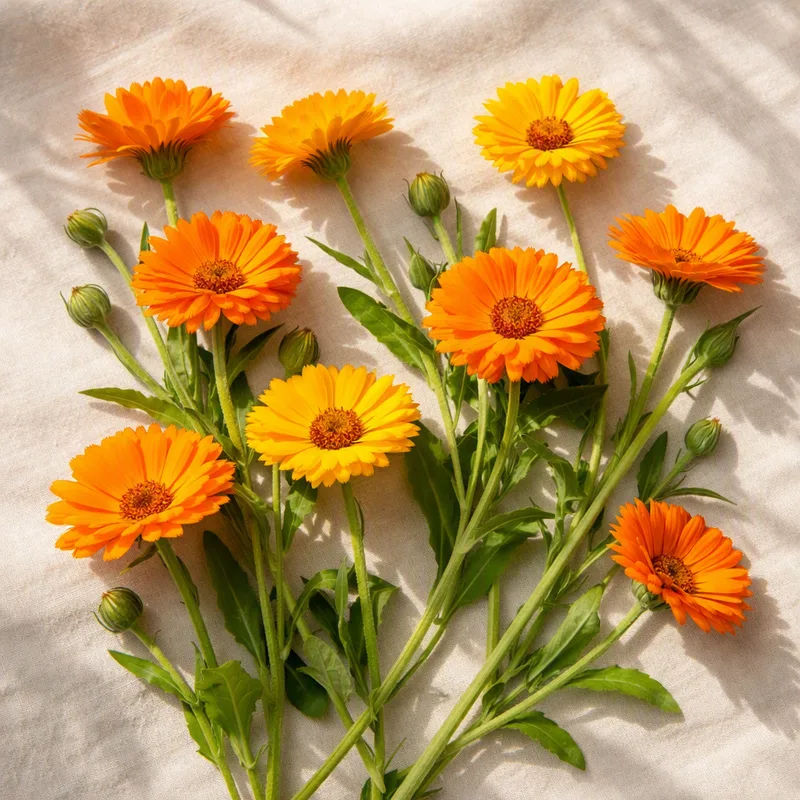
Classic Marigold (Calendula officinalis)
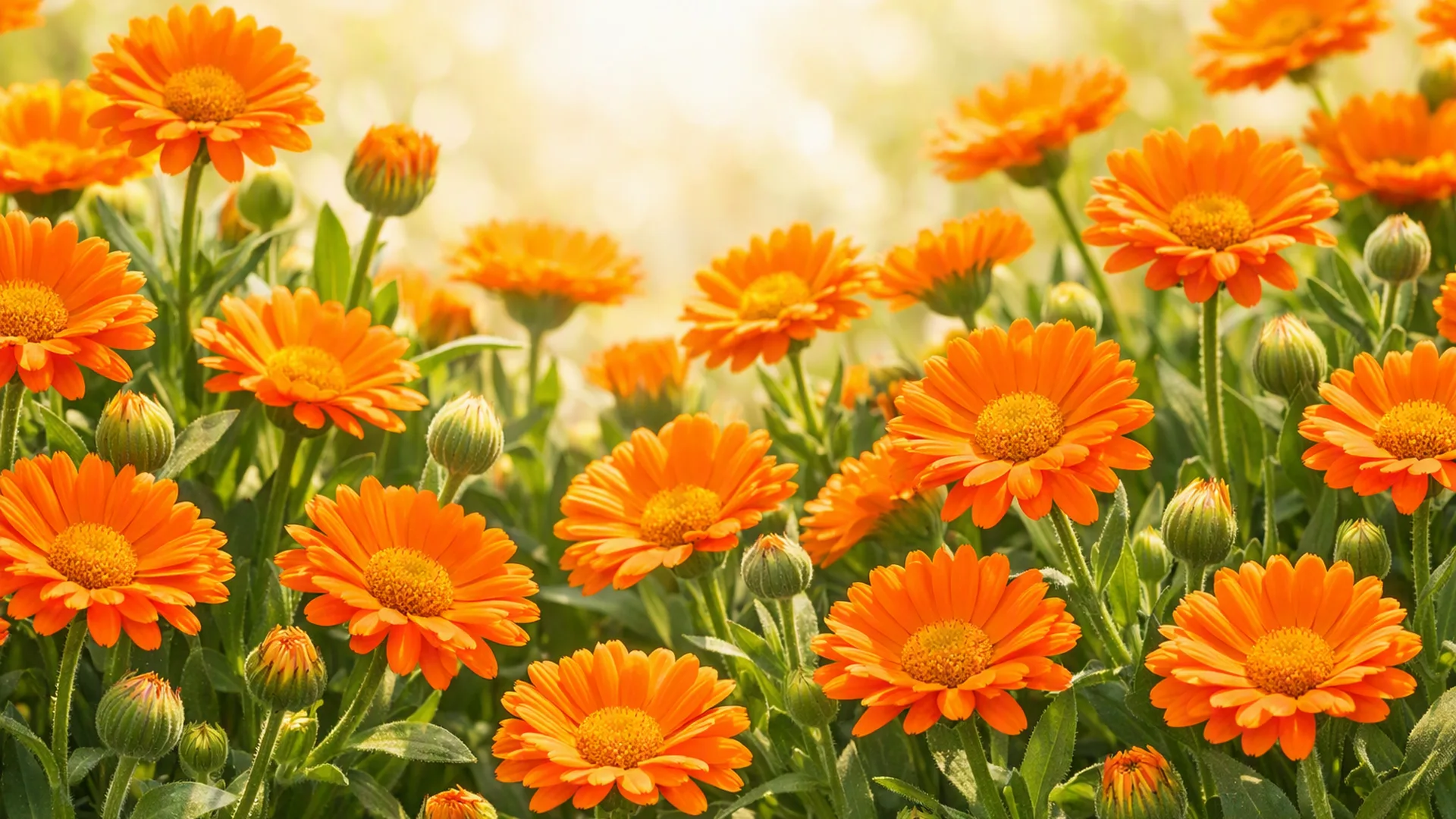
Classic marigold (Calendula officinalis) is one of our most beloved and versatile garden flowers. With its warmly golden and orange blooms, it spreads joy from early summer to the first frost. This robust annual plant has been a fixture in gardens for generations and continues to charm both beginners and experienced gardening enthusiasts.
Easy Cultivation for Everyone
Classic marigold is renowned for its easy-to-grow nature and forgiving properties. It thrives in most soil types and tolerates both sun and partial shade, making it perfect for various spots in the garden. The flower is particularly appreciated for its long flowering period and ability to bloom continuously throughout the season.
Sowing and Planting
Seeds of classic marigold can be sown directly into the soil from April to June, depending on climate. The plant prefers well-drained soil and a sunny to semi-shaded location. Sow seeds at a depth of 1-2 centimetres with approximately 20-30 centimetres spacing between plants. Germination usually occurs within 7-14 days under favourable conditions.
Care During the Growing Season
During the growing season, classic marigold requires minimal care. Regular watering is important, especially during dry periods, but avoid watering the leaves to reduce the risk of fungal diseases. Deadheading spent flowers promotes continuous blooming and keeps the plant looking neat throughout the season.
Versatile Uses
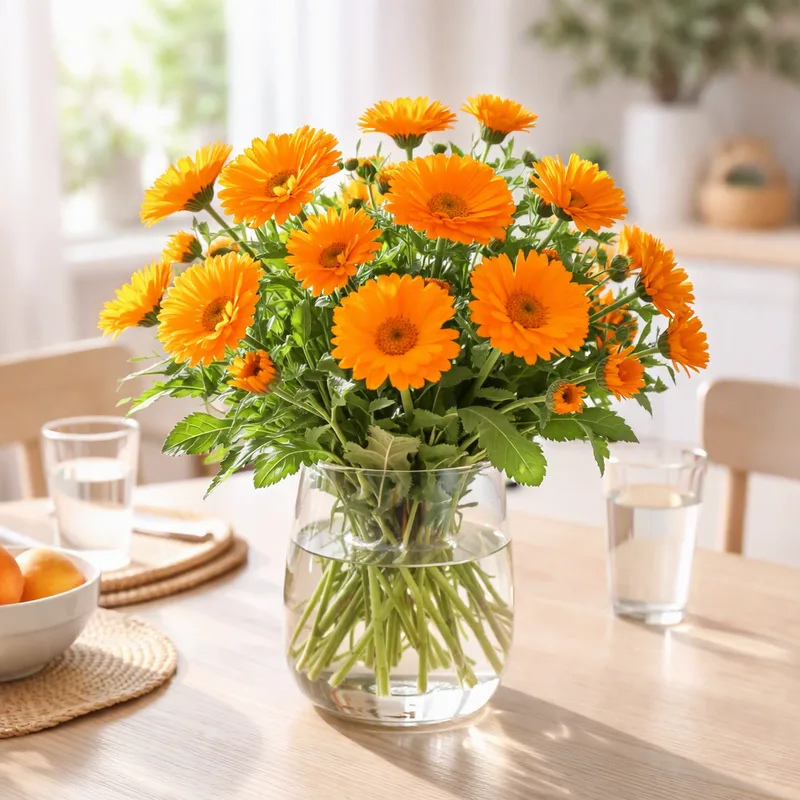
Classic marigold is not only beautiful but also practical. The flowers are edible and can be used as a garnish or colouring agent in cooking. Traditionally, the plant has also been used in natural medicine for its calming properties. In the garden, it works excellently as a border plant, in flower beds or as part of a kitchen garden.
Companion Planting and Design
This flower pairs beautifully with other summer flowers such as tagetes, petunia and salvia. It also complements vegetables in the kitchen garden and is said to help deter certain pests. The warm colours create beautiful contrasts against blue and purple flowers.
Self-Seeding and Overwintering
As an annual plant, classic marigold dies when frost arrives, but it has a fantastic ability to self-seed. Allow some flowers to mature and produce seed in autumn, and you'll likely have new plants next year. This makes it a hardy and economical garden plant that can establish itself as a natural part of your garden's ecosystem.