


Classic Dahlia
Classic Dahlia is one of the garden's most beloved flowers, enchanting with its rich colours and varied forms. This magnificent bloom has been a favourite among gardening enthusiasts for generations and continues to be a popular choice for both beginners and experienced growers.
Origin and Characteristics
The Dahlia originally stems from the highlands of Mexico and Guatemala, where it grew wild in mountainous regions. The flower was introduced to Europe in the 18th century and has since developed into countless varieties and cultivars. The classic Dahlia is characterised by its full, symmetrical blooms, which can vary in size from small pompoms to impressive giant flowers.
Colours and Forms that Enchant
One of the Dahlia's greatest assets is its incredible diversity in colours and forms. From deep reds and yellows to pastel pinks and white tones, there is a Dahlia for every taste and garden style. Classic varieties often offer traditional colour combinations that have stood the test of time and never go out of fashion.
Planting and Placement
Dahlias thrive best in a sunny location with well-drained soil. They are heat-loving plants that cannot tolerate frost, which means the tubers must be planted after the risk of frost has passed. Thoughtful placement in the garden can create spectacular effects, especially when Dahlias are combined with other autumn-flowering plants.
Care During the Growing Season
During the active growing season, Dahlias require regular attention to perform their best. Regular watering is important, especially during dry spells, but it is equally important to avoid overwatering, which can lead to root problems. Tall varieties may need support to prevent them from snapping in strong winds.
Flowering and Deadheading
Dahlias flower generously from midsummer until the first frost if cared for properly. Regular deadheading—the removal of spent flowers—encourages the plant to produce new buds and significantly extends the flowering period.
Overwintering and Storage
Since Dahlias are not hardy in our climate, the tubers must be lifted after the first frost and stored frost-free over winter. Proper handling of the tubers is crucial to ensure they survive the winter and can be planted again next season.
Garden Value
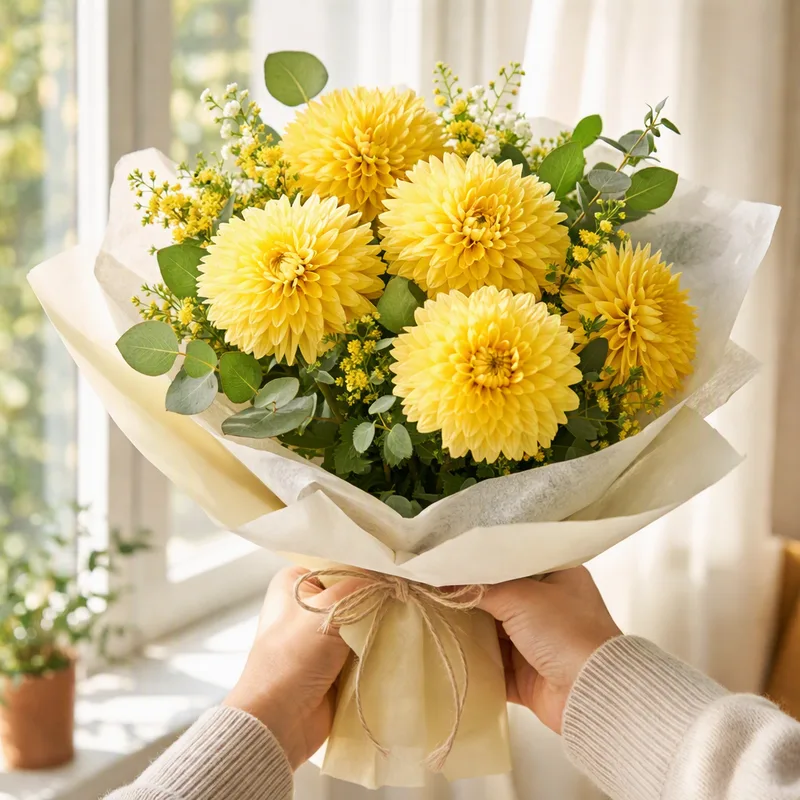
Classic Dahlias not only add colour and structure to the garden but also make excellent cut flowers. Their long vase life makes them a popular choice for floral arrangements and bouquets.