
Daffodil Classic (Narcissus pseudonarcissus)
Daffodil Classic (Narcissus pseudonarcissus) is one of our most beloved spring flowers, with its characteristic golden petals and trumpet centre signalling that winter is finally over. This robust and reliable bloom has been a favourite in Irish gardens for generations and continues to enchant with its simple beauty and early flowering.
Characteristics and Appearance
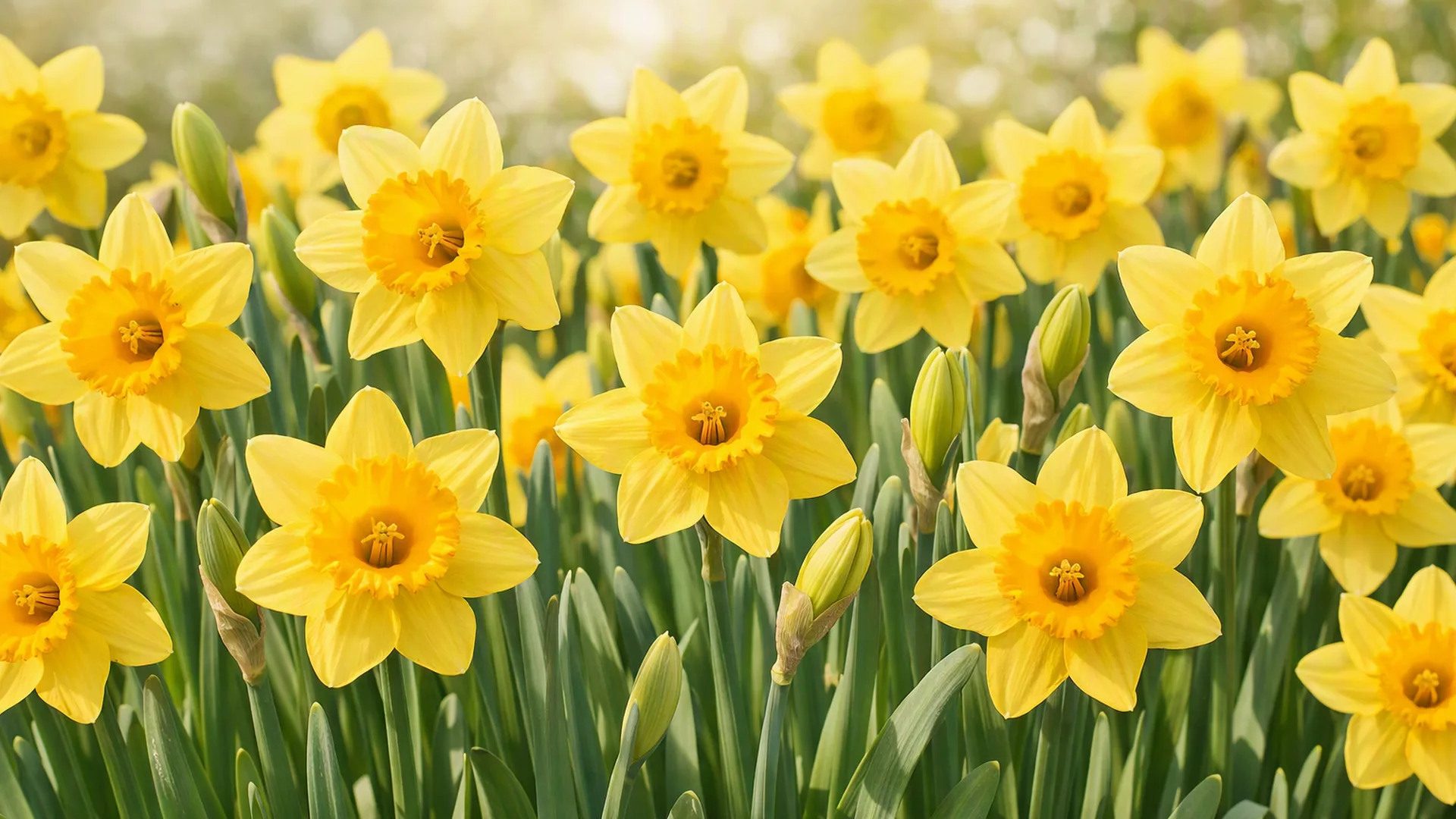
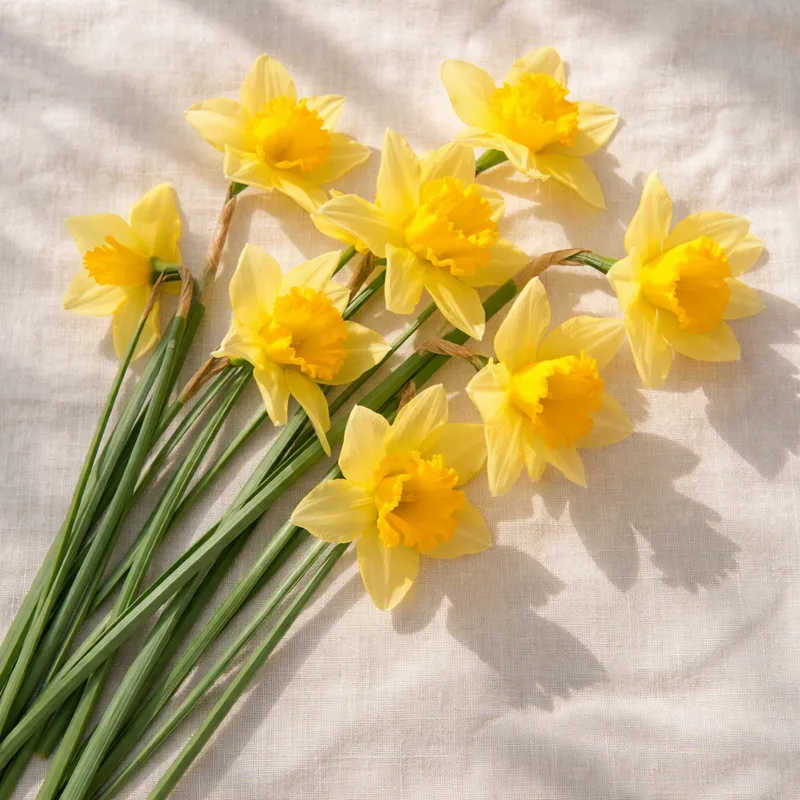
Daffodil Classic is distinguished by its six pale yellow petals surrounding a deeper yellow trumpet in the centre. The flower typically reaches a height of 20-35 centimetres and has narrow, strap-like leaves that grow directly from the bulb. Each stem usually bears a single bloom, giving the plant its elegant and clean appearance. Flowering occurs early in spring, often as early as March or April depending on weather conditions.
Planting and Soil Requirements
For best results, plant daffodil bulbs in autumn, ideally in September or October. The planting depth should be approximately three times the height of the bulb, which means most bulbs are planted 10-15 centimetres deep. The plant thrives best in well-draining soil that doesn't become waterlogged during winter. A sunny to semi-shaded position is ideal, where the flower can receive morning sun but is protected from the strongest midday sunshine.
Care During the Growing Season
In spring, as the daffodil grows actively, it's important to keep the soil lightly moist but not wet. After flowering, allow the foliage to remain until it yellows and withers naturally, which usually takes 6-8 weeks. During this period, the bulb stores nutrients for next year's blooms. Avoid cutting back the leaves too early as this can significantly weaken the bulb.
Overwintering and Perennial Growing
Daffodil Classic is completely hardy in the Irish climate and survives our winters without difficulty. The bulb overwinters in the soil and returns year after year, often producing more flowers with each season. Over time, small offset bulbs form and can be divided and replanted elsewhere. This division is best done when the foliage has completely withered, usually in late June or early July.
Garden Combinations and Uses
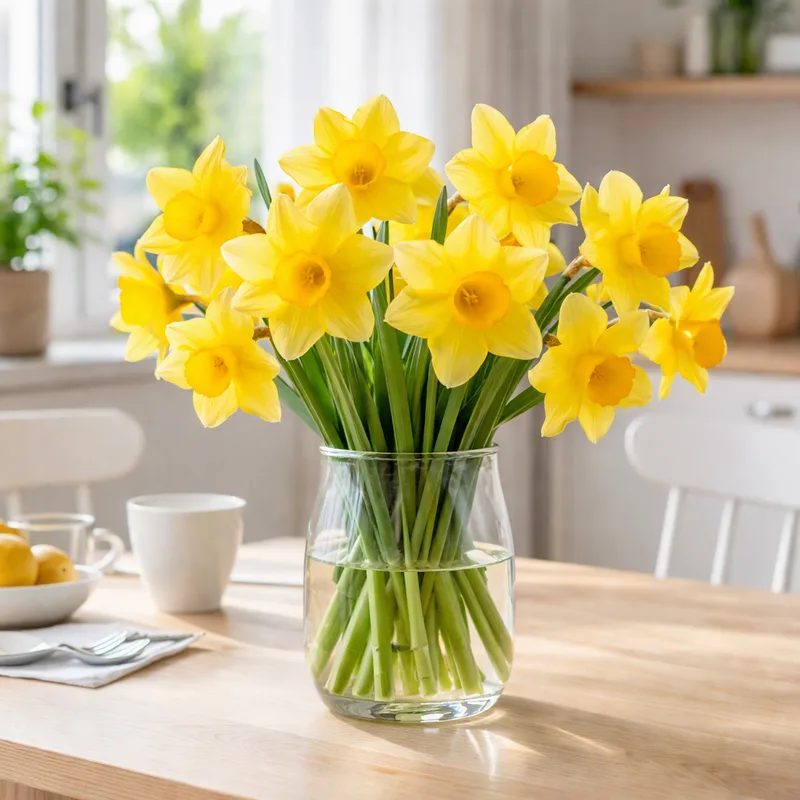
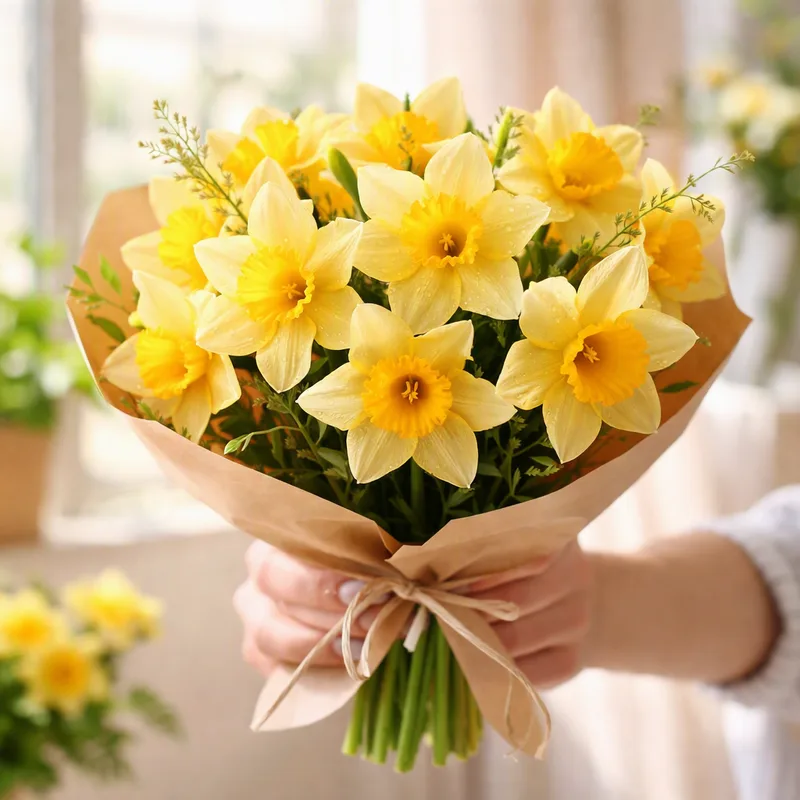
In the garden, Daffodil Classic works beautifully both as a specimen plant and in groups. It combines wonderfully with other spring flowers such as crocuses, snowdrops and wood anemones. Many gardening enthusiasts plant daffodils beneath deciduous trees where they can bloom before the trees leaf up and shade the ground. The flower is also excellent as a cut flower and has good vase life.
Natural Propagation
One of the daffodil's great advantages is its ability to self-propagate. Over time, new bulbs form and gradually spread, creating larger displays. This makes Daffodil Classic a very economical investment that yields returns for many years to come. The self-seeding that occurs also means the flower can naturalise beautifully in lawns and woodland areas.