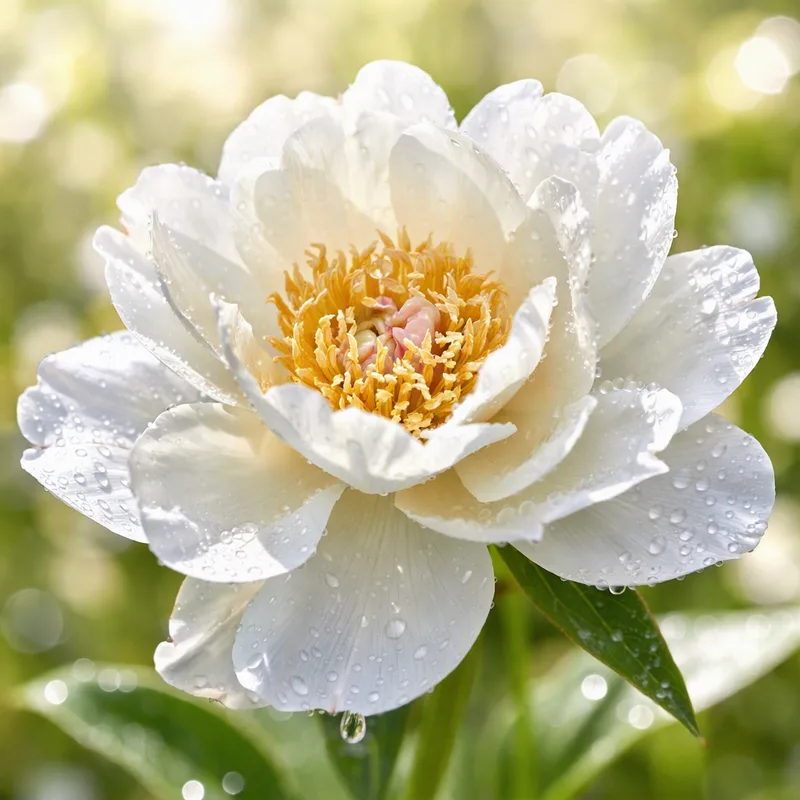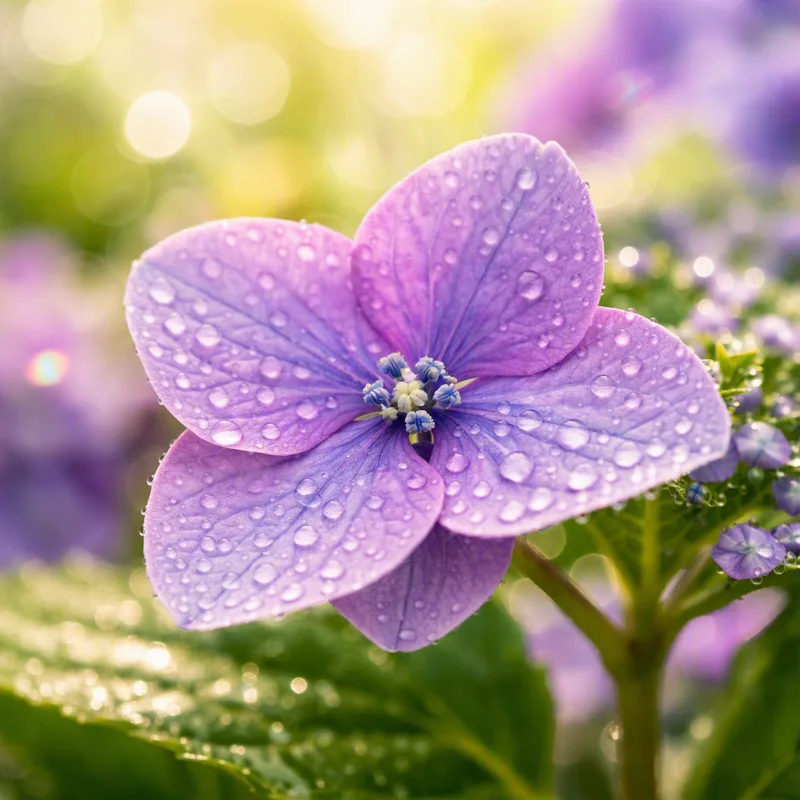

Anemone – Classic, a Timeless Favourite
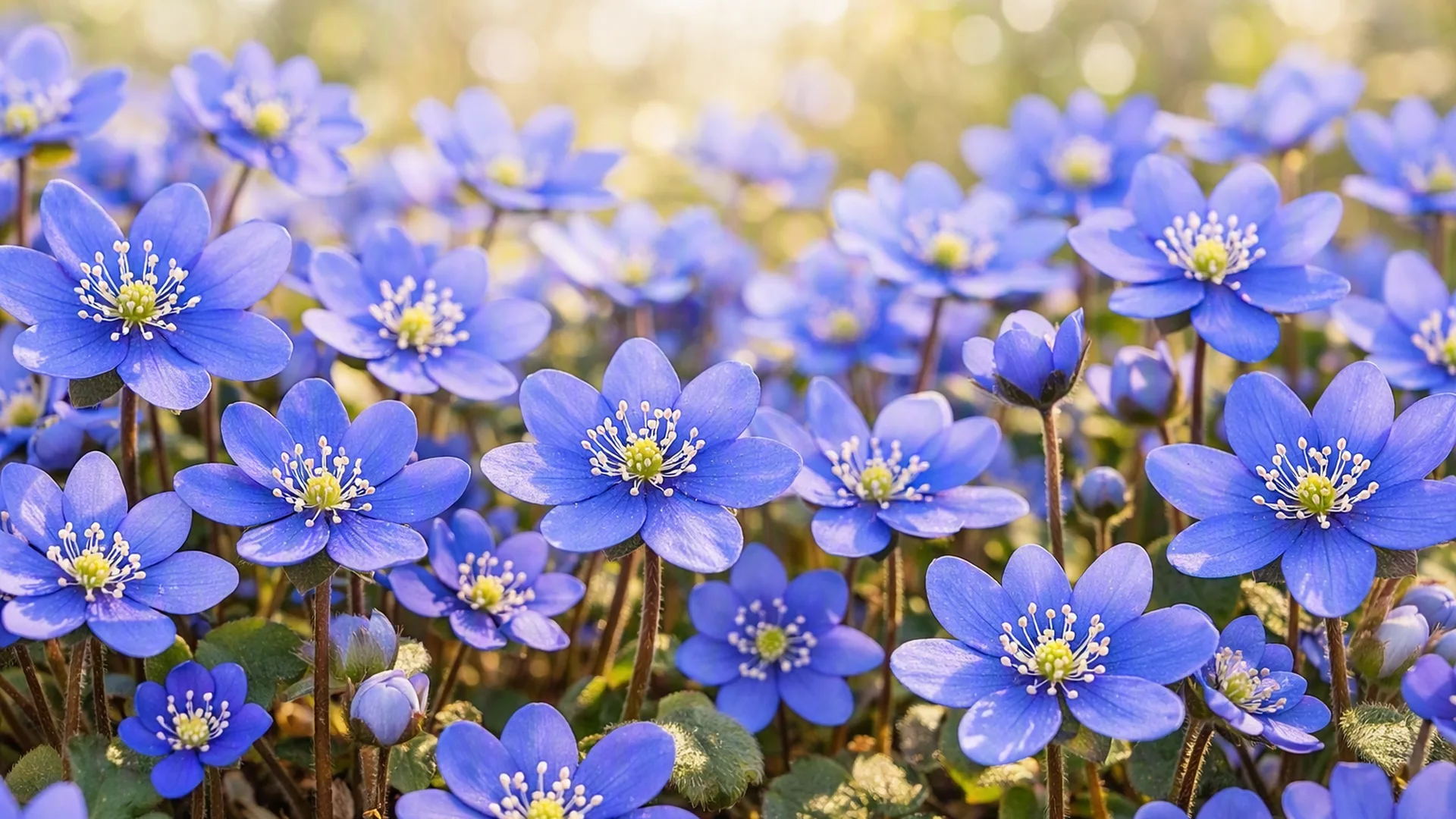
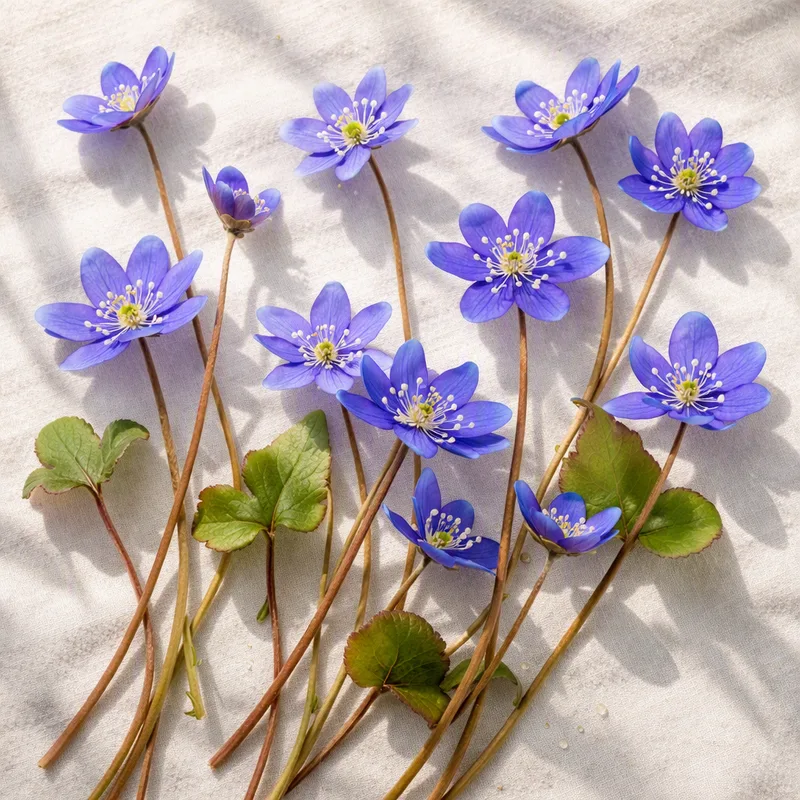
Anemone – Classic is one of our most beloved classic cut flowers. With its delicate spring flowers, Hepatica – Classic creates a fresh and welcoming feeling in any room. This elegant flower is perfect for those who want to give something beautiful without overcomplicating matters. Anemone – Classic suits almost any occasion, but above all, it's an excellent thank you flower when you want to express your gratitude in style.
Practical Properties and Care
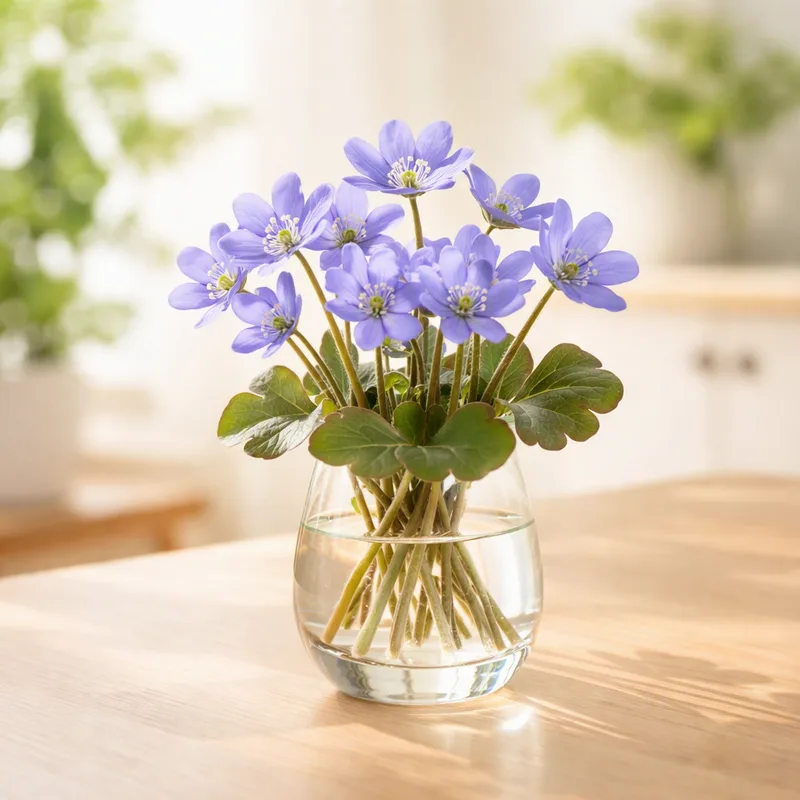
Hepatica – Classic thrives best in shade, making it ideal if you don't have access to a sunny spot at home. The flower needs plenty of water to develop optimally, so keep the soil moist and water it regularly. Hepatica – Classic is a low-growing woodland flower of around 5-15 centimetres, and it makes a charming display in a small vase or pot.
The Perfect Gift for Every Occasion
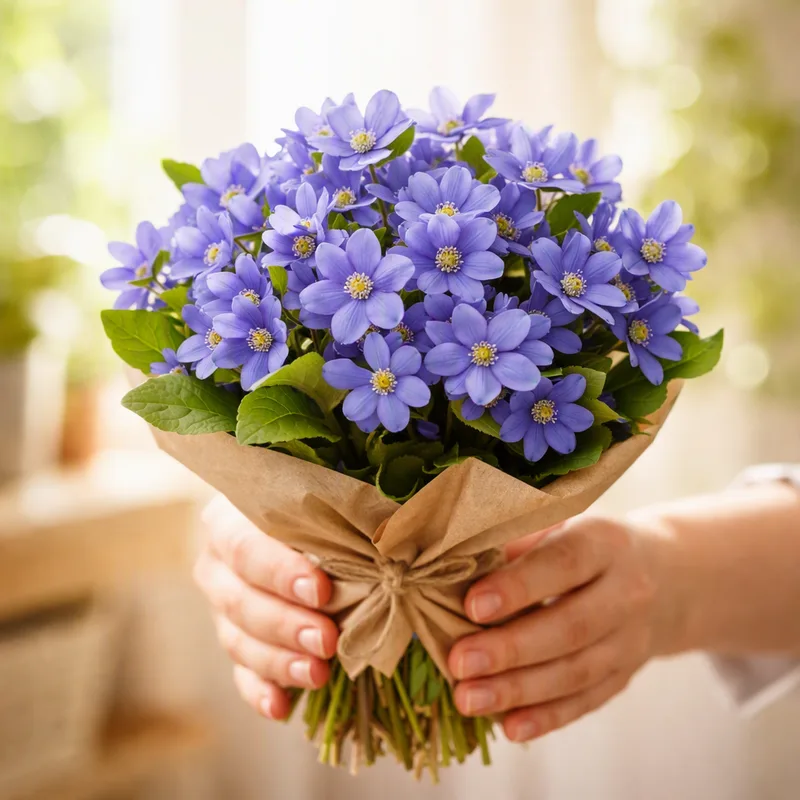
If you're looking for a flower that never fails, Anemone – Classic is your answer. Whether it's a personal visit, a congratulation or simply to impress without any fuss, Anemone – Classic delivers every time. The flower looks just as beautiful in a simple vase as in a larger bouquet alongside other flowers. It has no noticeable scent, so it sits well alongside more fragrant flowers.
A Flower to Keep in Mind
It's important to note that Hepatica – Classic is toxic to pets, so place the flower in a safe spot if you have cats or dogs at home. Despite this caveat, Anemone – Classic is an unbeatable choice when you want to give a gift that is both beautiful and meaningful. Order your Anemone – Classic today and let this classic flower speak for itself.