
White Marguerite – Guide to Care and Overwintering

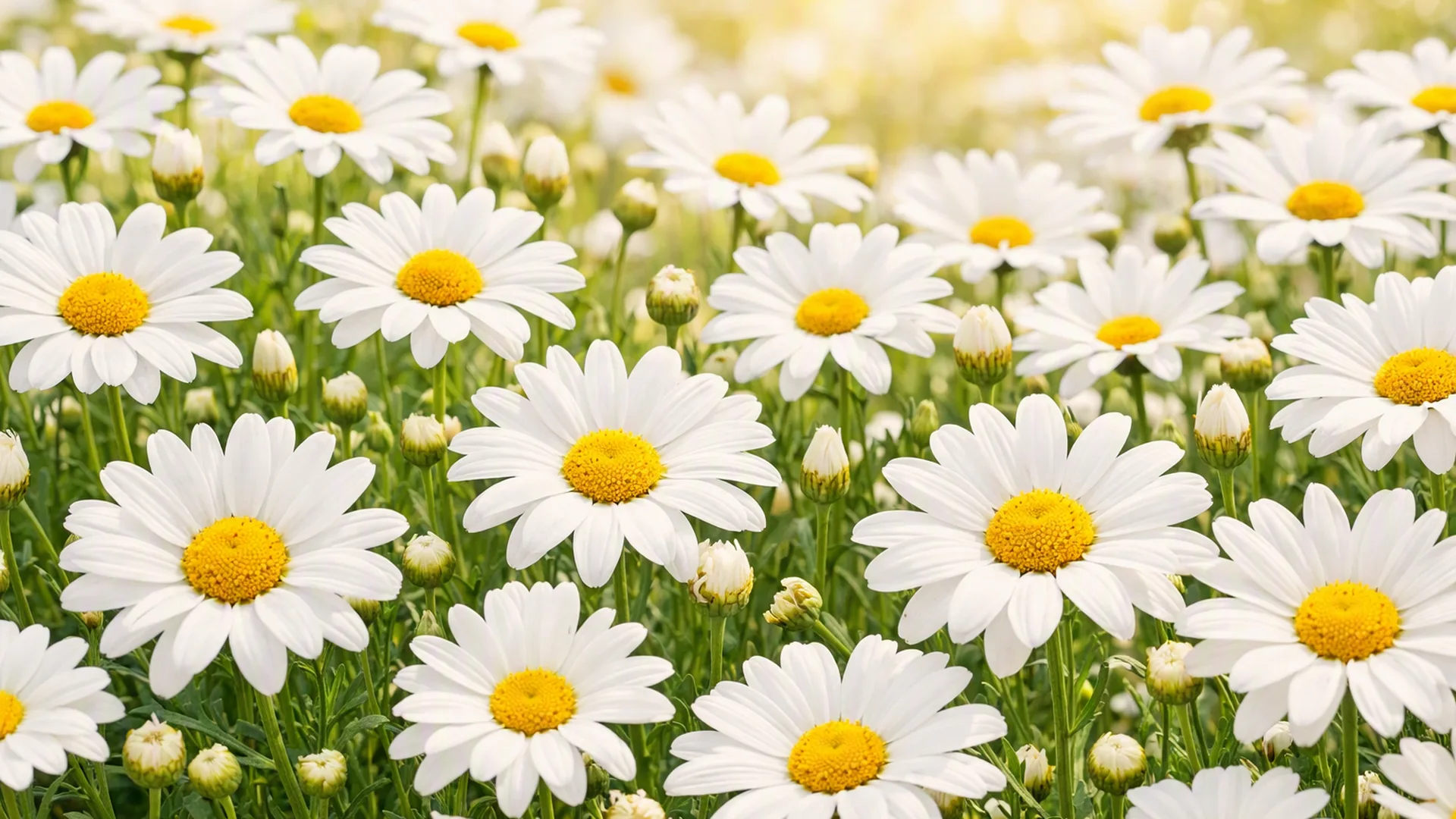
The white marguerite is a summer classic for patio pots and containers, flowering from early summer until the first frosts.

Marguerite – the Daisy That Flowers All Summer

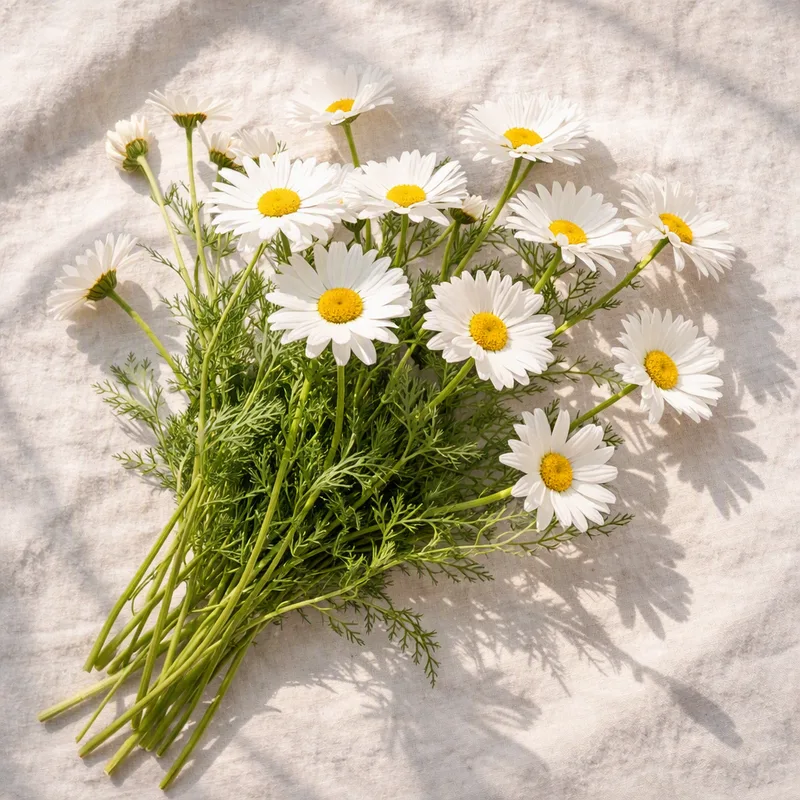
The marguerite (Argyranthemum frutescens) is a shrubby member of the daisy family from the Canary Islands. Its flowers resemble the ox-eye daisy, but the two are different species: the marguerite grows into a dense, woody-based bush with finely divided leaves. It is one of the most popular plants for patio pots and summer containers, because it flowers without a break from early summer until the first frosts. White is the best-known form. Grown as standards, a pair of white marguerites makes a striking welcome either side of a front door.

Position and Watering

Marguerites like a sunny, sheltered spot. Plant them in free-draining compost and water regularly, letting the surface dry slightly between waterings – the root ball should never dry out completely or sit in water. Feed about once a week in summer with a high-potash fertiliser and deadhead regularly to keep new buds coming.

Overwintering

Marguerites are not reliably hardy and will not survive a hard frost outdoors. Before the first frosts, move the plant to a bright, cool, frost-free place at around 5–10°C, such as a porch or cool greenhouse. Trim it back lightly and water sparingly over winter. Alternatively, take cuttings in late summer, which are easy to overwinter on a windowsill.

Marguerites in Bouquets and as Gifts

As a cut flower the marguerite lasts around 5–8 days in the vase. A flowering marguerite in a pot also makes a long-lasting gift that can be enjoyed all summer. Marguerites are toxic to cats and dogs, so keep them out of reach of pets.

Quick facts – Marguerite – White

Colour
white
Latin name
Argyranthemum frutescens
Type
summer flower
Flowering
june-september
Light
full sun
Water
moderate
Height
30-80 cm
Vase life
5-8 days
Scent
none
Toxic to pets
yes
Choose bouquet Read about delivery & times

Bouquets for every occasion • Flower guides

FAQ about Marguerite – White

What kind of soil suits marguerites best?
Marguerites thrive in well-drained, fertile soil with a pH of 6.0-7.5. For pots, use good-quality multi-purpose compost with some grit or perlite for drainage, as standing water causes root rot.
How often should marguerites be watered?
Water regularly but let the compost dry slightly between waterings. On hot summer days pots may need watering every day. Check with your finger, and if it is dry two centimetres down, it is time to water.
Do marguerites need pruning?
Regular deadheading is the most important thing for continuous flowering. In midsummer, a light trim of the whole plant by about a third stimulates new growth and a better display in late summer and autumn.
Which pests and diseases can affect marguerites?
Aphids, leaf miners, red spider mite and thrips thrive in warm, dry weather. Grey mould can occur in high humidity and poor air circulation. Treat pests early, for example with insecticidal soap.
Can marguerites be overwintered?
The marguerite is not frost-hardy, but it can be overwintered in a bright, cool, frost-free place at 5-10°C, such as a porch or greenhouse. Cut the plant back by half before bringing it in, and water sparingly in winter. Cuttings taken in late summer are easier to overwinter as small plants.

Recommended bouquets

Related flowers

🌸 Choose Bouquet