

White Heather: A Classic Garden Plant
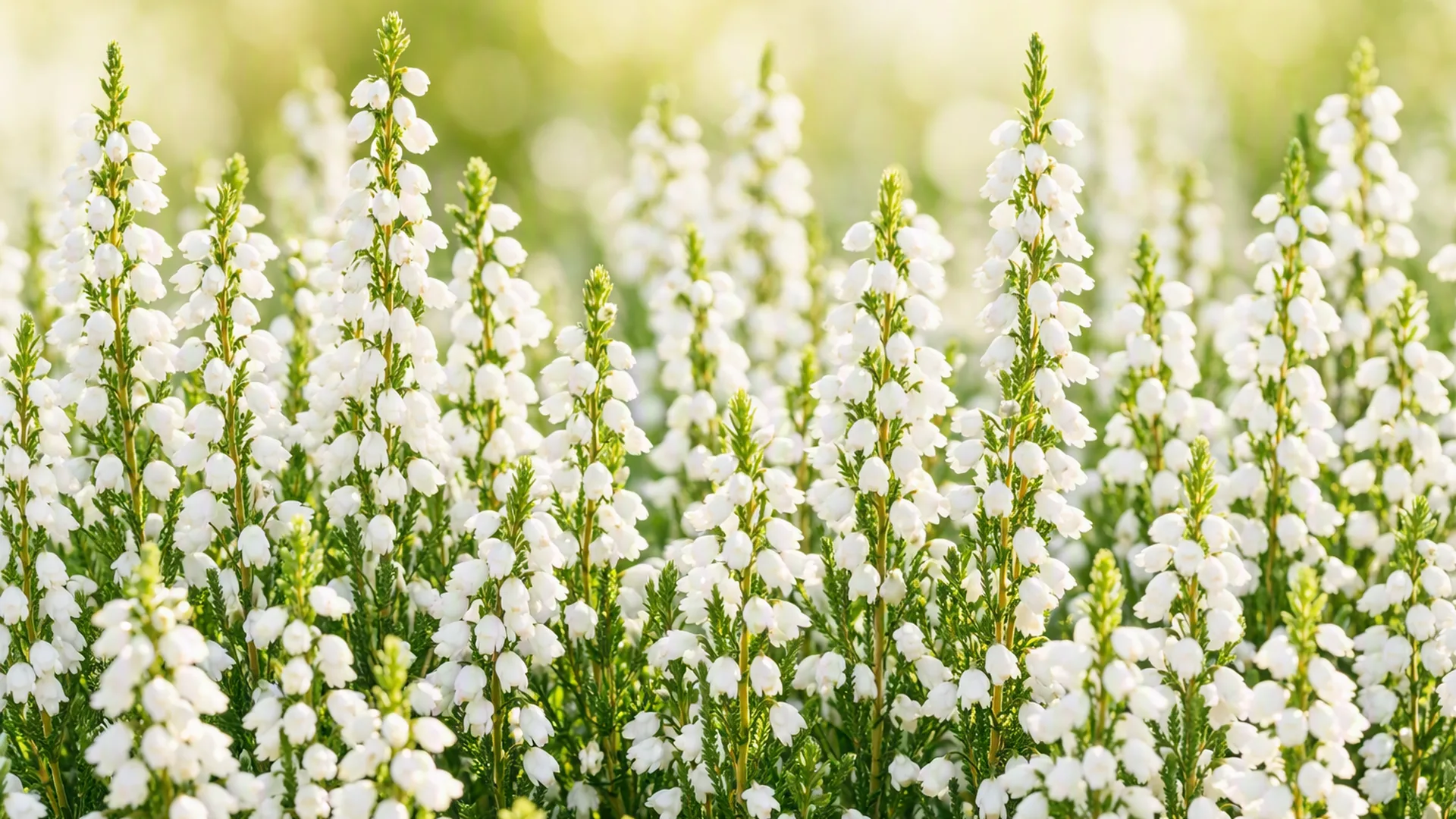
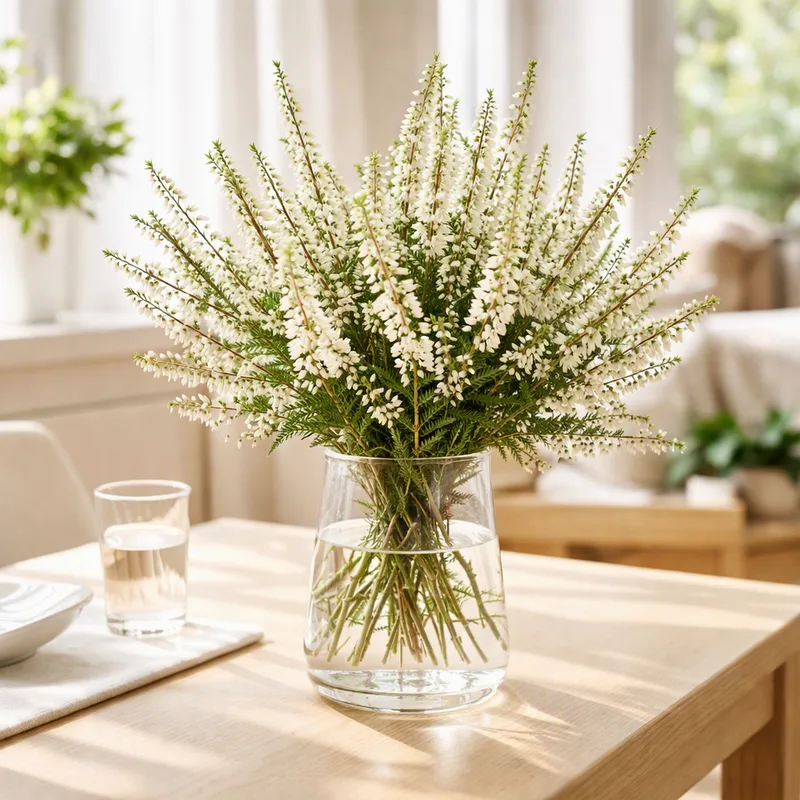
White heather is one of our most beloved and classic garden plants, captivating with its delicate, bell-shaped flowers and elegant appearance. This evergreen shrub belongs to the heather family and is renowned for its hardiness and long flowering period, which extends from late summer through to late autumn.
A Versatile Garden Plant
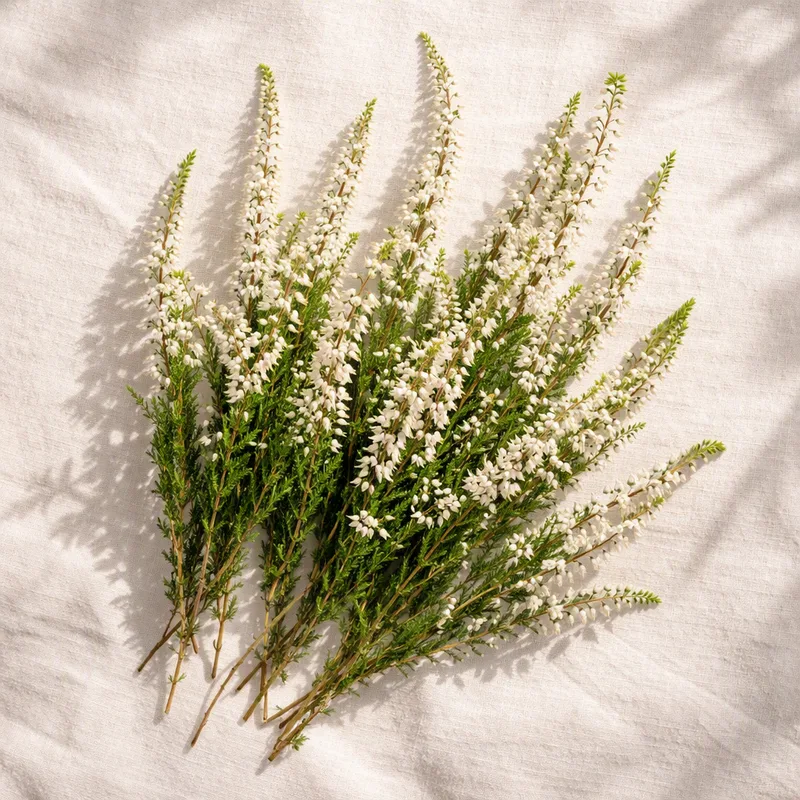
White heather is a compact, slow-growing shrub that typically reaches a height of 20-60 centimetres. The small, needle-like leaves retain their beautiful green colour throughout the year, making the plant an excellent choice for creating structure in the garden even during the winter months. The white flowers cluster densely along the branches, forming long flower spikes that create an almost snow-like effect.
Ideal Growing Conditions and Soil Requirements
For white heather to thrive optimally, it needs a sunny to semi-shaded spot with well-draining, acidic soil. The plant prefers sandy or peaty soils with a pH value between 4.5 and 6.0. Good drainage is essential as heather cannot tolerate waterlogging, which can lead to rot and other problems.
Planting and Establishment
The best time to plant white heather is in spring or early autumn when the soil is moist but not waterlogged. Dig a hole twice as wide as the root ball and mix in some peat or composted bark mulch to improve the soil structure and acidity. Plant at the same depth as it was in the pot and water well after planting.
Care During the Growing Season
White heather is relatively low-maintenance once established. Regular but moderate watering is important, especially during dry periods. Avoid watering the foliage to reduce the risk of fungal diseases. An annual application of acidic compost or specialised heather fertiliser in spring helps keep the plant healthy and flowering prolifically.
Pruning for Optimal Growth
Regular pruning is the key to a beautiful and compact heather shrub. Prune immediately after flowering by cutting away the spent flower heads along with some of the current year's growth. This stimulates new growth and ensures abundant flowering in the next season.
Winter Protection and Overwintering
White heather is generally hardy in our climate, but young plants may need extra protection during their first winters. Cover around the plant with evergreen branches or other winter protection to shield it from cold winds and temperature fluctuations. Older, established plants usually manage without extra protection.
Use in Garden Design
White heather is perfect for creating contrast in heather gardens alongside pink and purple varieties. It works excellently as ground cover on slopes, in rock gardens or as an edging plant along pathways. The plant also suits pots and window boxes well for those who wish to enjoy its beauty in smaller spaces.